
9mm Ammo
Showing all 9 resultsSorted by latest
9mm ammo is one of the most widely used handgun cartridges, valued for its versatility across range practice, training, competition, and personal protection. Also known as 9mm Luger or 9×19mm Parabellum, this cartridge is available in different bullet weights and designs to suit compatible firearms and shooting requirements.
Steinel Ammunition Co. offers a selection of 9mm rounds, including subsonic ammunition, hollow point loads, and specialized carry options. Whether you are looking for 9mm ammo for sale for regular range sessions or evaluating ammunition for a compatible defensive handgun, understanding bullet construction, pressure ratings, and intended use can help you make an informed choice.
-
In Stock
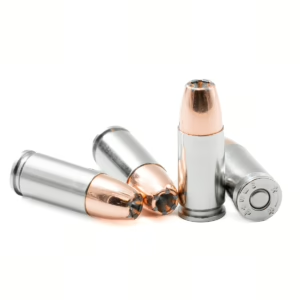
9mm +P 115gr. Gold Dot Defensive Jacketed Hollow Point
$31.19Qty: -
9mm +P 115gr. Ultimate Home Defense SCHP
$31.22Qty: -
In Stock
9mm +P 124gr. Ultimate Home Defense SCHP
$32.65Qty: -
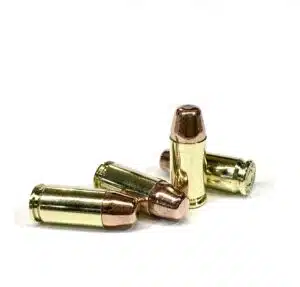
Subsonic 9mm Ammo 147gr FN
$37.76Qty: -
Subsonic 9mm Ammo 147 RN Jacketed- 50 Count
$37.76Qty: -
In Stock
Subsonic 9mm Ammo 147gr JHP- 50 Count
$46.88Qty: -
Subsonic 9mm Ammo 147gr Coated RN- 50 Count
$36.12Order now for free nickel upgrade! -
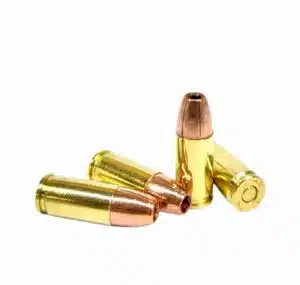
Subsonic 9mm 135gr Solid Copper Hollow Point
$36.39 - $39.00 -
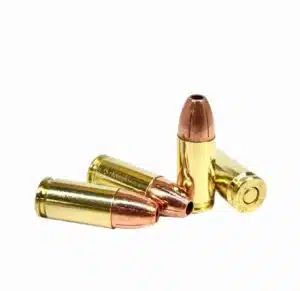
9mm 124gr. Subcompact Carry SCHP
$34.08Qty:

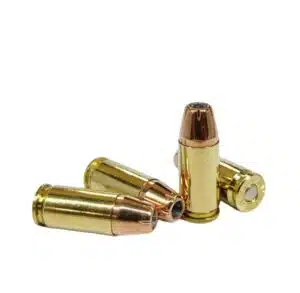
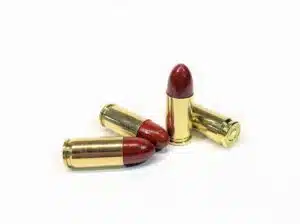
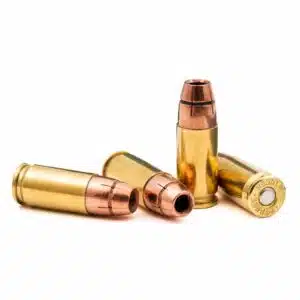
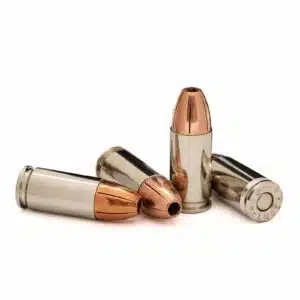
9mm Ammo for Sale
Steinel’s 9mm ammunition selection includes several load configurations for different applications. Available products include jacketed hollow point ammunition, solid copper hollow point loads, subsonic cartridges, and subcompact carry ammunition.
The current product listings include:
– 9mm +P 115gr Gold Dot Defensive Jacketed Hollow Point
– 9mm +P 115gr Ultimate Home Defense SCHP
– 9mm +P 124gr Ultimate Home Defense SCHP
– Subsonic 9mm Ammo 147gr FN
– Subsonic 9mm Ammo 147gr RN Jacketed
– Subsonic 9mm Ammo 147gr JHP
– Subsonic 9mm Ammo 147gr Coated RN
– Subsonic 9mm 135gr Solid Copper Hollow Point
– 9mm 124gr Subcompact Carry SCHP
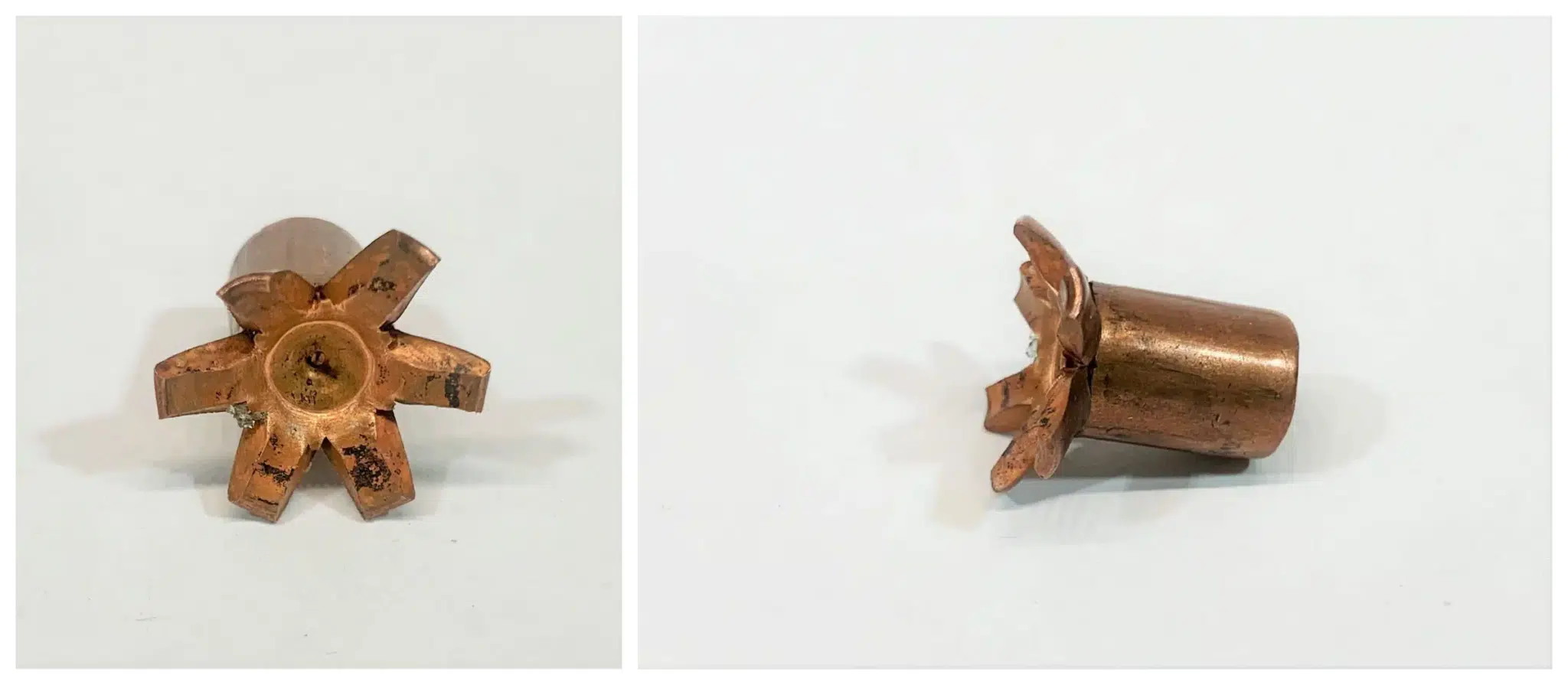
Expansion – Subsonic 9mm 135gr Solid Copper Hollow Point
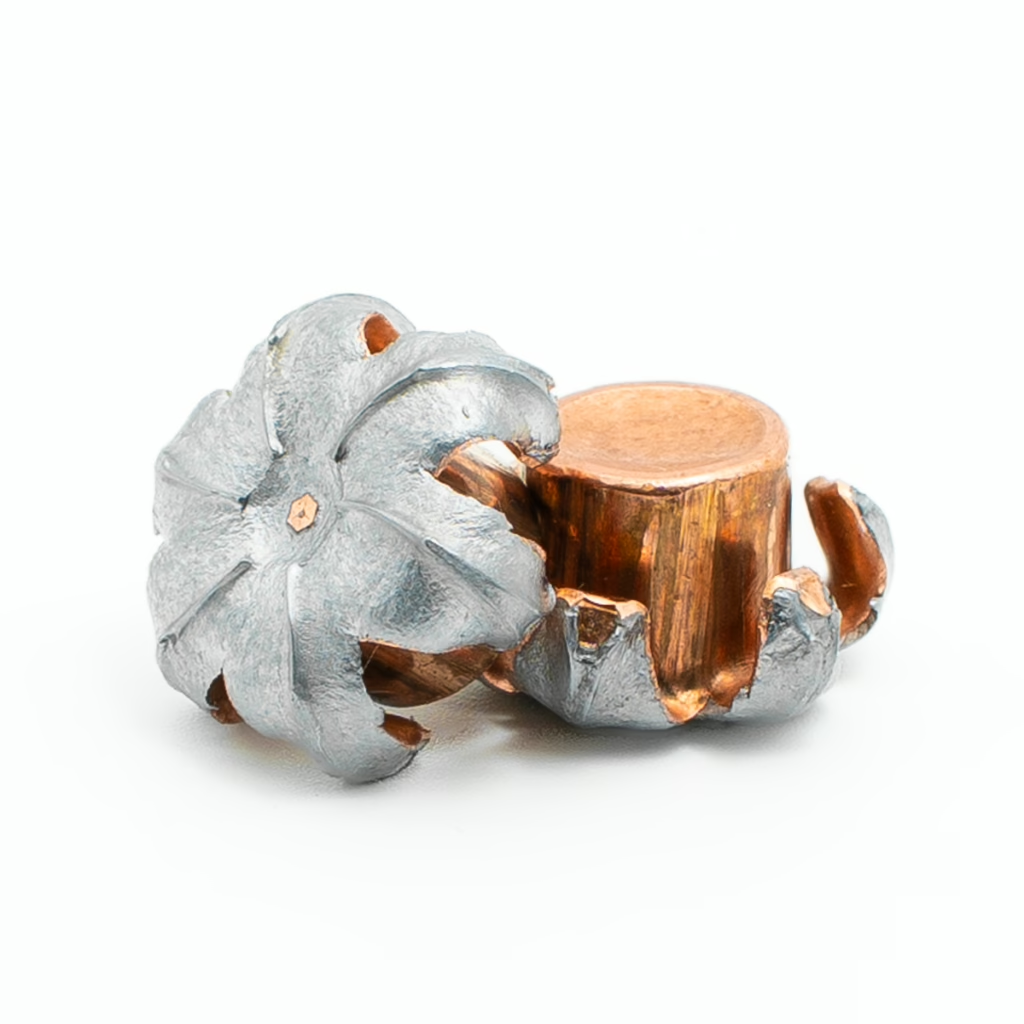
Expansion – 9mm +P 115gr. Gold Dot Defensive Jacketed Hollow Point
Product availability varies, so check each listing for current stock status and specifications before ordering. Always confirm that the selected load is appropriate for your firearm.
Types of 9mm Ammunition Available
Different 9mm ammunition designs serve different purposes. Understanding the differences can help you select a suitable load without relying on bullet weight or product descriptions alone.
9mm Hollow Point Ammo
9mm hollow point ammunition features a cavity in the bullet’s nose that is designed to promote expansion under appropriate impact conditions. Depending on the projectile design and load, expansion can influence penetration and the diameter of the resulting wound channel.
These cartridges are commonly considered for personal protection. Steinel’s listed options include jacketed hollow point and solid copper hollow point designs. Actual performance depends on the specific projectile, velocity, and testing conditions.
9mm Full Metal Jacket Ammo
9mm full metal jacket ammunition uses a soft core enclosed by a metal jacket, typically with the nose covered. FMJ loads are commonly used for range practice and training because of their conventional bullet design.
The current product list provided for this page does not clearly identify a dedicated 9mm FMJ practice load. Check the available inventory before assuming a specific FMJ product is in stock.
9mm Subsonic Ammo
9mm subsonic ammunition is loaded to remain below the speed of sound under its intended test conditions. Many subsonic loads use heavier bullets, such as 147-grain projectiles, although bullet weight alone does not guarantee subsonic velocity.
These loads are often selected for use with compatible suppressed firearms. A suppressor can reduce muzzle noise, but the firearm’s mechanical action and other sound sources remain audible. Always verify the ammunition’s velocity specifications and your firearm’s compatibility.
Specialized and Subcompact Carry Loads
Specialized 9mm cartridges include loads developed for applications, such as subcompact carry pistols or defensive use. Steinel’s listed 124-grain Subcompact Carry SCHP is one example.
Before using specialized ammunition, follow the firearm manufacturer’s guidance concerning compatible bullet designs, cartridge pressure, and reliable operation.
Choosing Self-Defense 9mm Ammo
Selecting defensive ammunition involves more than choosing a particular bullet weight. Different hollow point designs and pressure ratings can produce different results, so review the specifications of the individual load.
Consider these factors when comparing defensive 9mm cartridges:
- Projectile construction: Compare jacketed hollow point and solid copper hollow point designs using reliable product and testing information.
- Pressure rating: Standard-pressure and +P cartridges are not identical. Use +P ammunition only when the firearm manufacturer permits it.
- Reliable operation: Confirm that the ammunition feeds and functions correctly in the specific handgun.
- Firearm compatibility: Verify the cartridge designation, pressure rating, and any restrictions in the owner’s manual.
- Intended application: Select a load suited to the intended use rather than assuming all 9mm defensive cartridges perform identically.
Steinel’s listed defensive options include 115-grain and 124-grain +P loads, as well as other specialized hollow point configurations. Check each product listing for its exact specifications and current availability.
9mm Brass and Cartridge Specifications
A standard 9mm Luger cartridge is commonly designated 9×19mm, referring to its nominal bullet diameter and case length. The cartridge case houses the primer and propellant and supports the projectile before firing.
Brass is commonly used for 9mm cartridge cases because it offers suitable properties for ammunition manufacturing and, where applicable, reloading. However, not every cartridge case is intended or suitable for reuse. Case condition, primer type, pressure history, and the reloader’s established procedures all matter.
The keyword 9mm brass can refer to cartridge cases or to the brass cases used in loaded ammunition. Check the specific product description to establish whether a listing is for complete cartridges or components. The supplied product inventory for this category primarily lists loaded ammunition rather than a dedicated empty-brass product.
Always use ammunition that matches the firearm’s specified chambering. Do not assume that cartridges with similar dimensions or names are interchangeable.
Why Choose Steinel 9mm Ammunition?
Steinel Ammunition Co. offers a selection of standard and specialty handgun ammunition, including defensive hollow point and subsonic 9mm configurations. The range provides options for customers looking for projectile designs or loads intended for compatible firearms.
When choosing ammunition, review the complete product description, bullet weight, pressure designation, and intended application. Checking current stock status and following the firearm manufacturer’s instructions are also important steps before purchasing or using any cartridge.
For specialty loads, verify the specific specifications rather than assuming all products within the same caliber have identical performance characteristics.
9mm Subsonic Ammo: Performance and Applications
9mm subsonic ammo is designed to travel below the local speed of sound, avoiding the ballistic crack associated with a projectile breaking the sound barrier. This makes subsonic ammunition a common consideration for shooters using a compatible firearm and suppressor.
Steinel’s product selection includes 147-grain subsonic loads with different bullet designs, as well as a 135-grain solid copper hollow point option. The appropriate choice depends on the intended application, firearm compatibility, and verified load specifications.
When comparing 9mm para subsonic ammunition, consider the following:
- Velocity: Confirm the listed velocity and test-barrel conditions rather than assuming every load of a particular bullet weight is subsonic.
- Bullet design: Full metal jacket, round nose, flat nose, and hollow point projectiles have different construction and performance characteristics.
- Suppressor compatibility: Confirm that the firearm and suppressor are approved for the selected ammunition.
- Sound expectations: Subsonic ammunition does not make a firearm silent. Actual sound levels depend on the complete firearm setup and shooting environment.
The term quietest 9mm subsonic ammo is often used when comparing loads for suppressed shooting. However, there is no universal quietest option without controlled sound measurements under comparable conditions. Ammunition velocity, suppressor design, firearm action, and environmental factors all affect perceived sound.
Compatible Firearms
9mm Luger (9×19mm) ammunition is used in a wide range of semi-automatic pistols and some pistol-caliber carbines. However, compatibility depends on the firearm’s exact chambering, model, and manufacturer specifications.
Common firearm models chambered in 9mm Luger include:
– Glock 17
– Glock 19
– Glock 26
– Smith & Wesson M&P9
– Smith & Wesson Shield 9mm
– CZ 75
– Ruger Security-9
– Ruger PC Carbine
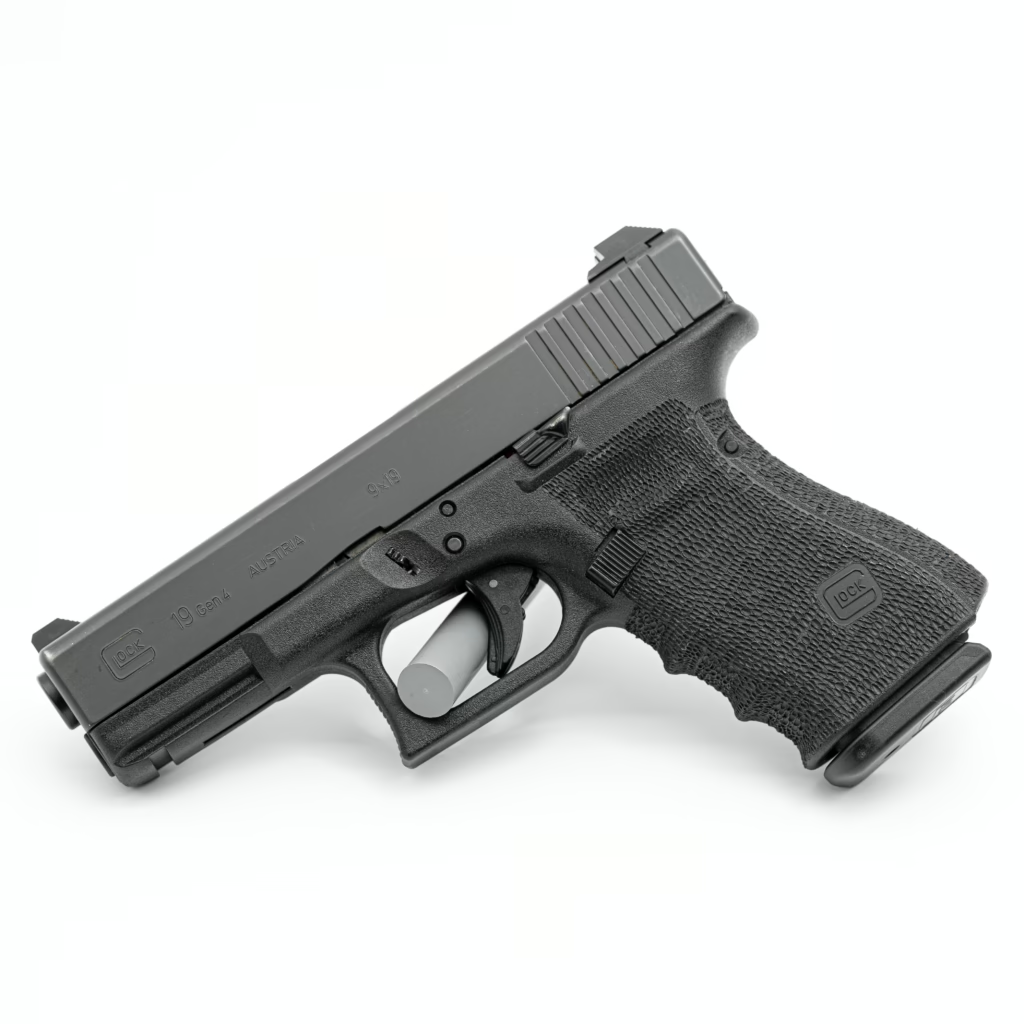
Glock 19 Gen4 – Used for 9mm Ammo Testing
Compatibility note: Always verify the firearm’s chambering and owner’s manual before using any ammunition. Some 9mm loads, including +P and specialized subsonic cartridges, may have additional compatibility requirements. Use only ammunition approved for your specific firearm.
Choosing Self-Defense 9mm Ammo
Selecting defensive ammunition involves more than choosing a particular bullet weight. Different hollow point designs and pressure ratings can produce different results, so review the specifications of the individual load.
Consider these factors when comparing defensive 9mm cartridges:
- Projectile construction: Compare jacketed hollow point and solid copper hollow point designs using reliable product and testing information.
- Pressure rating: Standard-pressure and +P cartridges are not identical. Use +P ammunition only when the firearm manufacturer permits it.
- Reliable operation: Confirm that the ammunition feeds and functions correctly in the specific handgun.
- Firearm compatibility: Verify the cartridge designation, pressure rating, and any restrictions in the owner’s manual.
- Intended application: Select a load suited to the intended use rather than assuming all 9mm defensive cartridges perform identically.
Steinel’s listed defensive options include 115-grain and 124-grain +P loads, as well as other specialized hollow point configurations. Check each product listing for its exact specifications and current availability.
Understanding 9mm Bullet Weights
Bullet weight is measured in grains. Common 9mm bullet weights include 115, 124, and 147 grains, each of which can be loaded to different velocities and pressure levels.
| Bullet weight | Common characteristics |
| 115 grain | Often loaded at relatively higher velocities; commonly used in range and general-purpose ammunition |
| 124 grain | A widely available weight for range, carry, and defensive loads |
| 147 grain | Commonly used in subsonic ammunition, depending on the specific load and velocity |
Bullet weight alone does not determine recoil, accuracy, expansion, or terminal performance. Powder charge, projectile construction, pressure, barrel length, and firearm design also influence how a cartridge performs.
Choose ammunition based on the specific product specifications and your firearm manufacturer’s recommendations.
Frequently Asked Questions
Q1. Is 9mm ammo the same as 9mm Luger or 9×19mm?
Yes. In ordinary commercial usage, 9mm Luger, 9×19mm, and 9mm Parabellum generally refer to the same cartridge. Always verify the firearm’s markings and owner’s manual.
Q2. Can 9mm ammo be used in every 9mm firearm?
No. The ammunition must match the firearm’s chambering and permitted pressure rating. Check the owner’s manual before using standard-pressure, +P, or specialty loads.
Q3. Does bullet grain affect recoil and accuracy in 9mm ammo?
Yes. Bullet weight can influence velocity, recoil characteristics, and point of impact, but the overall load and firearm also matter. Compare the specifications of the actual cartridges rather than relying on grain weight alone.
Q4. What does +P mean on 9mm ammunition?
+P identifies ammunition loaded to higher pressure than the applicable standard-pressure specification. Use it only in firearms whose manufacturers explicitly permit that ammunition.
Q5. Is 9mm ammunition suitable for hunting?
The suitability of a handgun cartridge for hunting depends on the intended game, local regulations, projectile design, and applicable ethical and safety requirements. Do not assume that every 9mm load is appropriate for hunting.