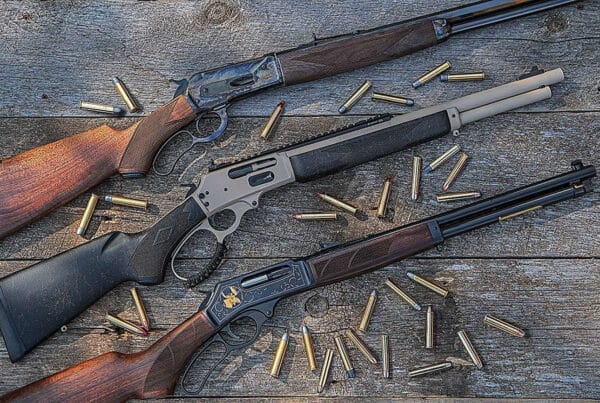
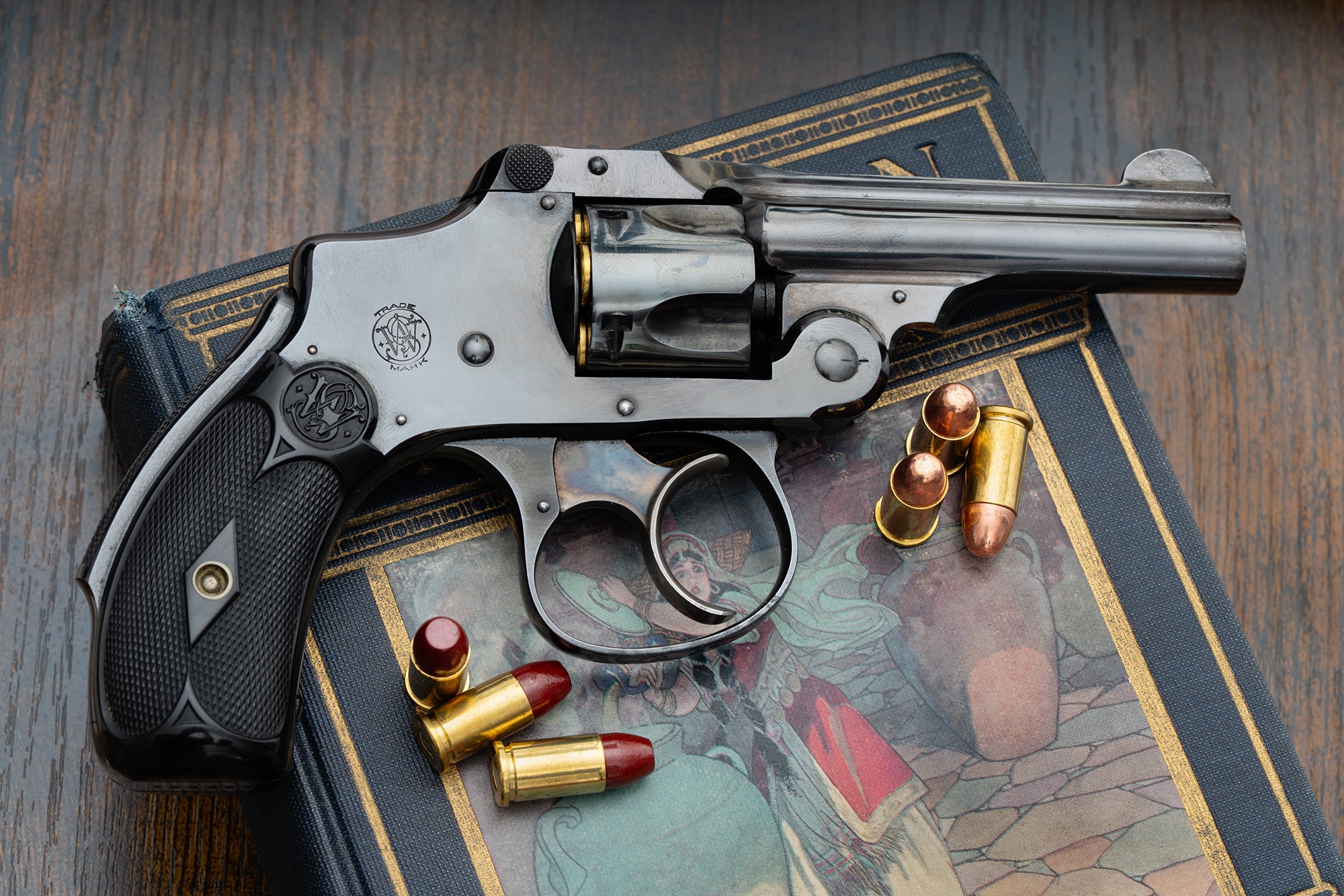
Heritage firearms hold a special place in the world of shooting. They spark nostalgia, remind us of family history, and represent craftsmanship from a different era. Whether you inherited a Winchester lever-action from your grandfather, own a classic Colt revolver from the 1940s, or collect vintage military rifles, you understand their sentimental and historic value.
But here’s the challenge: these firearms were designed around ammunition standards that have changed over time. Modern ammo isn’t always safe, and the wrong cartridge can decrease accuracy, damage the gun, or even create dangerous pressure levels.
What Makes Heritage Firearms Different
Before we talk ammunition selection, it helps to understand what makes older firearms unique.
Many heritage firearms were produced in the early to mid-1900s, sometimes before modern SAAMI specifications existed. This means:
- Chambers and bores may differ from today’s standards
- Metallurgy and heat-treating weren’t as advanced
- Original ammo was often lower pressure than modern loads
- Certain calibers have evolved over time
In short: heritage firearms weren’t designed for the same ammunition you find on today’s shelves. That doesn’t mean they can’t be shot it simply requires thoughtful selection.
Three Key Principles for Ammo Selection
Match Caliber – But Don’t Stop There
Just because a round is marked with the same caliber printed on your barrel doesn’t mean it’s safe.
Example:
A .45-70 Government rifle from the late 1800s was never intended for high-pressure modern loads designed for contemporary lever actions.
The headstamp match is only the first step.
Respect Pressure Standards
Many heritage firearms are designed for low-pressure ammunition. Modern cartridges, especially “hot,” magnum, or +P loads may exceed safe levels.
Signs that ammo may not be suitable:
- Labeled “+P” or “+P+”
- Designed for tactical applications
- Advertised for high velocity or heavy recoil
- Intended for modern semi-auto platforms
Choose Bullet Construction That Fits the Era
Heritage barrels weren’t designed for certain modern projectiles. The safest, most accurate shooting usually comes from:
- Traditional jacketed bullets
- Standard soft points
- Lead round nose or flat nose bullets
Avoid:
- High-pressure monolithic copper bullets
- Hard-cast bullets in soft steel barrels
Bullets with aggressively expanding cavities if the penetration depth is unknown
The Risks of Using the Wrong Ammo
Heritage firearms shouldn’t be feared, but they must be respected. Incorrect ammunition can cause:
| Issue | Possible Result |
| Excess pressure | Cracked receiver, blown primer, catastrophic failure |
| Wrong bullet type | Barrel leading, damage to rifling |
| Wrong case dimensions | Feeding issues, misfires |
| Hot loads | Increased wear and reduced lifespan |
| Modern powders | Unpredictable pressure curves |
A damaged replacement part for a modern rifle might be a phone call away, but parts for a 1950s lever-action or WWII revolver could be impossible to replace.
Where Specialized Ammunition Makes the Difference
Because heritage firearms are mechanically sound and built to last, they can perform beautifully with the right ammunition. That’s where heritage-safe ammo loads become valuable.
What shooters should look for:
- Ammunition loaded to traditional ballistic standards
- Powders and bullet weights that mirror original performance
- Pressure-controlled recipes suitable for older steel
- Ammunition tested in vintage firearms, not only modern test guns
This creates a safe, reliable shooting experience without overstressing the firearm.
Signs the Ammo You’re Using is Heritage-Safe
You’re on the right track when ammunition clearly mentions terms like:
- “For vintage rifles.”
- “Safe for trapdoor action.”
- “Designed for early revolvers.”
- “Standard pressure load”
- “Traditional bullet weight”
Even better if the manufacturer provides:
- Velocity data
- Pressure information
- Barrel lengths used in testing
- Notes on compatibility (e.g., Colt SAA, M1 Garand, early lever guns)
This level of transparency shows commitment to safety and respect for your firearm.
Accuracy in Heritage Firearms: Why Ammo Selection Matters More
Heritage firearms bring a unique challenge to accuracy. Minor ammunition variations that wouldn’t matter in a modern gun can significantly affect performance in older platforms.
Factors that influence precision include:
- Bullet diameter matching original bore spec
- Seating depth and crimp style
- Consistency of powder burn rate
- Cartridge length relative to the feed mechanism
A vintage rifle or revolver isn’t “loose,” it simply expects ammunition made for its design era. When the cartridge aligns with the original engineering, accuracy often improves dramatically
Practical Tips Before Shooting Heritage Firearms
To get the safest and best performance:
Get the firearm inspected
A qualified gunsmith can check:
- Headspace
- Lock-up
- Crown and rifling condition
- Chamber integrity
Start with fewer rounds
Test new ammo with slow, controlled firing, not rapid strings.
Watch for warning signs
Stop immediately if you notice:
- Hard extraction
- Flattened primers
- Sticky cycling
- Strange recoil
- Accuracy is suddenly dropping off
Keep records
Recording which ammo performs best helps protect the firearm and improves reliability for future range sessions
Why Many Shooters Prefer Premium Heritage-Specific Ammo
It comes down to trust.
Heritage firearms deserve ammunition that is:
- Safe for older metallurgy
- Consistent and pressure-controlled
- Accurate and reliable
- Developed through meaningful ballistic testing
- Loaded with knowledge of how these firearms were originally designed
For many shooters, this isn’t simply about punching holes in paper; it’s about honoring the firearm and the memories attached to it.
FAQs
Q1. What ammo does a Heritage Rough Rider use?
The Heritage Rough Rider is chambered for .22 LR, and many models also support .22 WMR with a cylinder swap. Always match the caliber to the cylinder marking before shooting.
Q2. Which is better, Ruger Wrangler or Heritage Rough Rider?
Both are great budget revolvers. The Ruger Wrangler is generally regarded as more rugged, while the Heritage Rough Rider is more affordable and offers a wider range of calibers and finish options. The best choice depends on personal preference and budget.
Q3. Can I dry fire a Heritage Rough Rider?
No. Dry firing a Heritage Rough Rider is not recommended because it can damage the firing pin and cylinder. Use snap caps if you need to practice trigger pulls.
Q4. How accurate is the Heritage Rough Rider?
For a budget rimfire revolver, the Heritage Rough Rider is surprisingly accurate at typical plinking and target distances, especially with the right ammunition and steady fundamentals.
Conclusion
Heritage firearms are more than tools, they’re history. Choosing ammunition that matches their original design ensures safe performance, protects the firearm, and delivers the accuracy these classics are capable of. When paired with the right ammo, legacy rifles and revolvers can continue to be enjoyed for years to come. Honor the past, shoot responsibly, and give every heritage firearm the respect it deserves with every round.