When heading out for big game hunting, choosing the right ammunition can feel like a big decision. It’s easy to think that bigger is always better, especially when it comes to caliber performance. Many hunters believe that choosing the largest caliber will guarantee a quick, ethical kill, but that’s not always the case. The real key to success lies in bullet performance. So, does caliber really matter when it comes to big game hunting? This big game hunting guide explains why bullet performance should be your top priority for a successful and ethical hunt.
The Common Caliber Myth in Big Game Hunting
If you’ve ever been out hunting or talked to other hunters, you’ve probably heard these statements:
- You need at least a .30 caliber for elk.
- Nothing smaller than a .270 for mule deer.
- Magnums are the only ethical choice for big game.
These statements contain partial truth wrapped in misconception. Does caliber matter in hunting? Yes. Is it the determining factor? No.
The caliber vs bullet performance debate misses the fundamental principle. Caliber establishes potential, but it is important to address how the bullet behaves once it leaves your rifle. Bullet design determines actual terminal performance. For example, a .243 Winchester loaded with premium controlled-expansion bullets will penetrate deeper and retain more weight than a .300 Winchester Magnum firing budget ammunition.
Bullet Performance in Big Game Hunting: What Really Determines Success
When hunting large animals like elk, moose, or bear, several factors contribute to the success of your shot. The right bullet performance can make all the difference in getting a clean, humane kill. Let’s look at the critical factors that determine success:
Penetration: Reaching Vital Organs Reliably
In big game hunting, the goal is to ensure a clean shot that reaches the animal’s vital organs. Big game animals possess dense muscle tissue and heavy bone structure. Poorly constructed bullets deflect or fragment before reaching critical organs, leading to a wounded animal that may run off and suffer. That’s why bullet performance, particularly penetration, is crucial.
Premium hunting ammo achieves reliable penetration through advanced construction methods:
- Bonded cores maintain jacket-core adhesion under impact stress
- Monolithic copper bullets eliminate separation because they are manufactured from a single piece of material
- Partition designs create controlled dual-expansion zones that guarantee deep penetration after frontal expansion
A bullet that penetrates 18 inches through heavy muscle and bone reaches vital organs. One fragmenting at 8 inches creates superficial wounds and extended tracking. The best hunting ammo for big game prioritizes penetration depth over expansion diameter. So, when choosing big game hunting cartridges, it’s important to look at bullets specifically designed for deep penetration, even through thick hide and bone.
Controlled Expansion: Energy Transfer Without Fragmentation
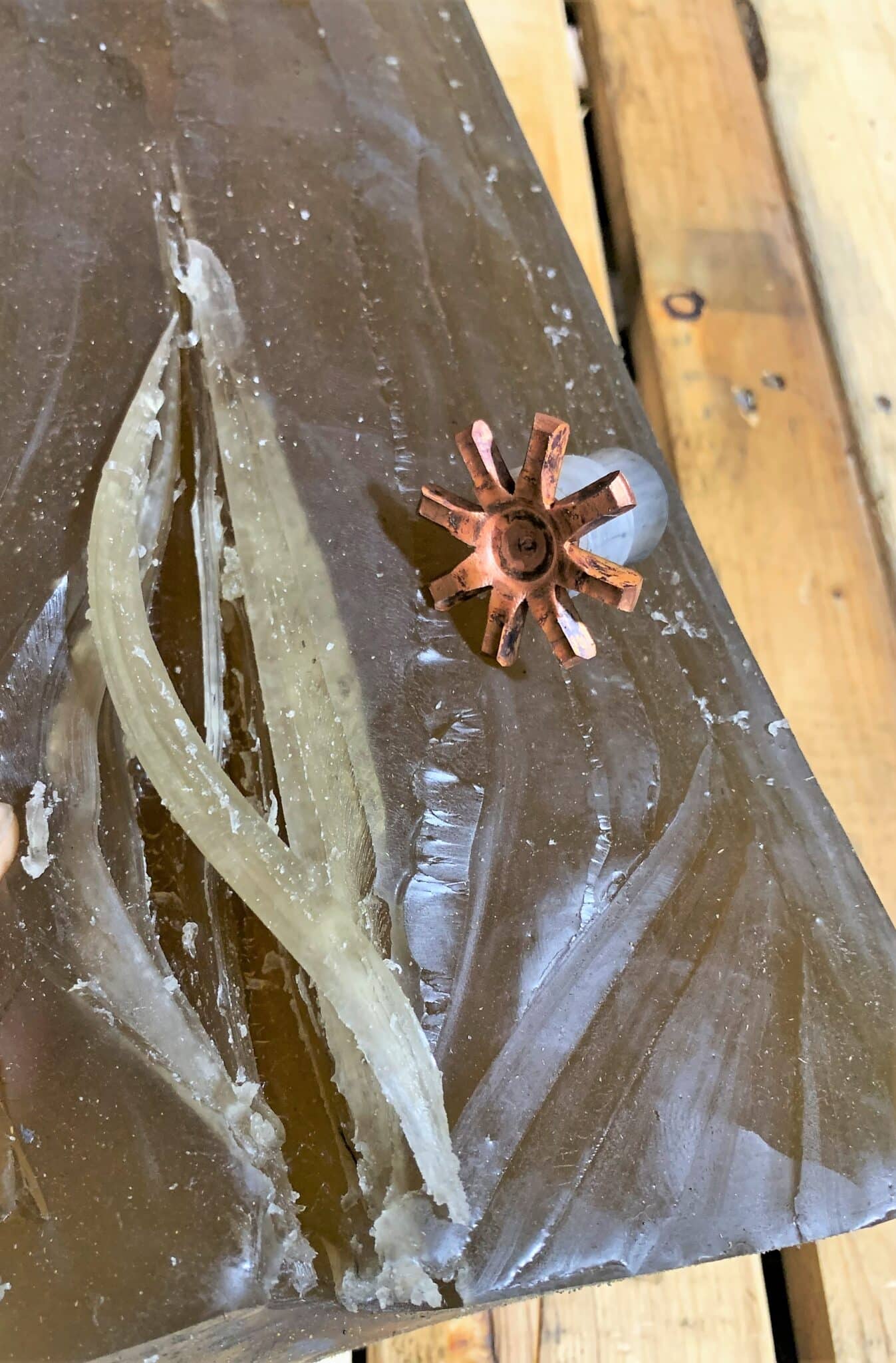
When it comes to bullet performance in big game hunting, controlled expansion is important. Upon impact, a bullet must expand in a way that maximizes kinetic energy transfer to the target without fragmenting. This is because fragmentation can result in incomplete energy transfer, reducing the bullet’s stopping power and leaving the animal wounded. The best bullets expand reliably, transferring maximum energy to the animal without breaking apart. Controlled expansion achieves optimal performance. The projectile mushrooms to approximately 1.5 to 2.0 times original diameter. This creates both temporary and permanent wound cavities while maintaining structural integrity throughout penetration.
Bullet expansion vs penetration is a balancing act that must be carefully considered when choosing big game hunting ammo. Budget bullets often exhibit excessive expansion and fragmentation. They cause dramatic surface tissue damage but fail to reach vital organs on oblique shot angles. These bullets perform well in ballistic gelatin demonstrations but fail in real hunting conditions.
Weight Retention & Structural Integrity: Weight Retention: Ensuring Deep Penetration
Weight retention determines terminal penetration capability. A 180-grain bullet retaining 95% of its mass (171 grains) penetrates significantly deeper than one shedding 50% of its weight. Premium bullets routinely achieve 85-100% weight retention. Budget ammunition often delivers 40-60% retention. This difference translates to recovered game at 50 yards versus extended tracking through difficult terrain. Structural integrity maintains bullet momentum. Bonded construction or monolithic design prevents core separation and ensures predictable terminal ballistics. Separation creates unpredictable performance and marginal wound channels.
Terminal Ballistics vs Caliber Size
When you think of terminal ballistics, what comes to mind? Many hunters automatically associate larger calibers with better terminal ballistics, but this isn’t always the case.
Consider two examples:
- A .243 Winchester firing a 90-grain bonded bullet produces specific terminal ballistics: controlled expansion, deep penetration, high weight retention.
- A .300 Winchester Magnum firing a poorly constructed 180-grain bullet produces different terminal ballistics: rapid fragmentation, shallow penetration, low weight retention.
The smaller caliber delivers superior performance because terminal ballistics supersedes raw caliber diameter.
Energy transfer, wound channel geometry, and vital organ damage depend primarily on bullet construction rather than caliber. Well-designed bullets maximize these factors regardless of whether initial diameter measures .243 or .308 inches.
Bullet Expansion vs Penetration in Big Game Hunting
The debate between bullet expansion vs penetration is ongoing, but both factors are crucial in big game hunting.
- Rapidly expanding, lightly constructed bullets excel at creating large wound channels on broadside shots at moderate ranges. They fail on hard quartering angles or heavy bone impacts.
- Slowly expanding, heavily constructed bullets achieve deep penetration but may exhibit inadequate expansion. They function effectively on dangerous game. However, these bullets can underperform on medium game through insufficient tissue disruption.
- Big game hunting demands bullets that expand reliably while maintaining penetration capability. Premium manufacturers engineer this balance through rigorous testing and design iteration.
- Optimal bullets expand immediately upon impact while retaining sufficient structural integrity to penetrate through hide, muscle, bone, and organs. This represents sophisticated engineering, not coincidental performance.
Real-World Big Game Hunting Scenarios Where Bullet Performance Matters Most
Here are some real-world hunting scenarios where choosing the right bullet makes all the difference:
- Quartering Shots: Game animals rarely present perfect broadside positions. When taking a quartering shot, the bullet must penetrate at oblique angles, often through dense shoulder structures, to reach the heart or lungs. Lower-quality bullets may fragment or deflect upon bone contact, while premium bullets are designed to maintain their trajectory, ensuring deeper penetration even through skeletal barriers.
- Extended Range Shots (300+ Yards): When shooting at extended ranges (300+ yards), velocity decreases significantly, which can affect a bullet’s expansion and overall performance. Premium bullets are designed to maintain consistent expansion and reliable performance even at reduced impact velocities, while budget projectiles often struggle to expand effectively outside of their optimal velocity window.
- Heavy Bone Impacts: Shoulder bones are dense and substantial, posing a challenge for bullet penetration. Many bullets that fragment upon bone contact fail to penetrate deeply enough, creating superficial wounds without reaching vital organs. Premium bullets, however, are specifically designed for bone penetration, ensuring they reach the thoracic cavity to deliver a humane, effective shot.
- Cold Weather Conditions: Sub-freezing temperatures can affect ammunition performance, influencing both the consistency of the powder charge and the bullet’s expansion. Premium ammunition manufacturers rigorously test their products across a wide range of temperatures to ensure reliable performance. In contrast, budget ammunition may exhibit unpredictable behavior in extreme cold, with potential issues like inconsistent expansion or misfires.
How Premium Hunting Ammo Improves Bullet Performance
Premium ammunition manufacturers invest substantial resources into developing advanced bullet technology to ensure top-tier performance in the field. This investment results in ammunition engineered for consistent performance, even under the most challenging hunting conditions. Here’s a breakdown of how premium hunting ammo improves bullet performance:
- Advanced bullet design integrates innovations in bonding, jacket geometry, core composition, and aerodynamics for superior performance.
- Testing involves ballistic gelatin, game tissue analysis, and bone strike simulations to ensure reliable field performance.
- Rigorous quality control methods, including visual inspections, x-ray scans, and pressure testing, ensure high manufacturing standards.
- Consistent expansion, deep penetration, and optimal energy transfer are achieved across varying environmental conditions.
- Engineering focuses on controlled expansion, penetration, and weight retention, ensuring reliable, ethical kills during big game hunts.
This engineering investment manifests in field performance, with premium bullets delivering consistent results across varied hunting conditions. Expansion occurs as designed, penetration meets specifications, and wound channels produce rapid incapacitation.
Choosing the Right Bullet for Big Game Hunting
When selecting big game hunting cartridges, it’s essential to choose a bullet that suits your hunt’s needs.
- Understand the Bullet Design and Purpose: Different bullets are designed for specific hunting applications. For big game, controlled expansion bullets are preferred for their balance of expansion and penetration.
- Hollow Point (HP): Hollow point bullets are designed to expand upon impact, making them suitable for smaller games. However, they can also be used for big game hunting if proper design considerations (such as controlled expansion) are applied. However, they’re more commonly used for smaller game or self-defence.
- Soft Point (SP): Soft point bullets expand reliably with moderate penetration and are commonly used for big game hunting. Their expansion is generally more controlled than that of hollow points, which helps with achieving humane kills on medium-sized big game.
- Bonded Bullets: Bonded bullets are ideal for large animals like elk, moose, or bear. The bonding of the jacket to the core ensures the bullet holds together, preventing fragmentation and maximizing penetration. Bonded bullets are excellent for deeper penetration while still expanding effectively.
- Choose bullets with high weight retention: Bullets that maintain their mass and structural integrity during the expansion process are ideal for big game hunting. Bullets that fragment or shed too much weight will have less effective energy transfer and can lead to poor shot placement.
- Match bullet choice to shooting range: Bullets with higher velocity typically expand faster but may not penetrate as deeply at longer ranges. Choosing the right bullet type depends on your hunting distance.
- Long Range Hunting: Bullets designed for long-range hunting, such as boat-tail bullets, are optimized for better aerodynamics and retain energy over long distances. The boat-tail shape reduces drag, maintaining velocity and ensuring accuracy.
- Short to Medium Range: For closer shots, a bullet that expands quickly (e.g., flat-nosed bullets or Ballistic Tip bullets) is often more effective. These bullets are designed to provide rapid expansion, transferring energy quickly to the target for a fast, humane kill.
Frequently Asked Questions
Q1) What is the best all-around big game hunting caliber?
A) While calibers like .30-06 and .308 are popular for big game hunting, the best hunting ammo for big game depends on bullet performance. A high-quality bullet that offers optimal expansion and penetration is often more important than caliber size alone.
Q2) In big game hunting, how does penetration compare to expansion in ensuring a humane kill?
A) Penetration and expansion are both crucial. A bullet must penetrate deeply enough to reach vital organs, while also expanding to transfer maximum energy to the target. Both factors contribute to a faster, humane kill.
Q3) What are common bullet failures seen in deer and elk hunting?
A) Common bullet failures in deer and elk hunting include insufficient expansion, lack of penetration, and fragmentation. These can result in poorly placed shots, requiring follow-up or leading to wounded animals.
Q4)Can smaller calibers ethically take big game?
A) Yes, smaller calibers can ethically take down big game if paired with high-quality, properly designed bullets that provide deep penetration and controlled expansion. Always choose premium hunting ammo for the best results.