
Reloading Brass
Showing 21–30 of 30 resultsSorted by latest
-
In Stock
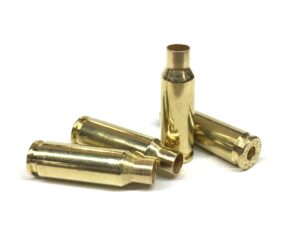
New Starline 6.5 Grendel Brass- 20 Count
$17.33Qty: -
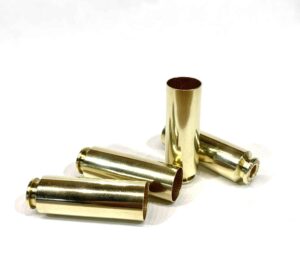
New Starline 12.7 x 42mm Brass- 50 Count
$43.06 -
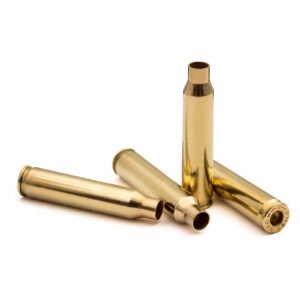
New Starline 223 Remington Brass- 50 count
$14.27 -
In Stock
New Starline 350 Legend Brass- 50 Count
$18.62Qty: -
New Starline 45 Colt Brass- 50 Count
$16.31 -
New Starline 44 Special Brass- 50 count
$14.27 -
New Starline 10mm Auto- 20 count
$6.30 -
New Starline 38 Special +P Brass- 50 Count
$13.76Qty: -
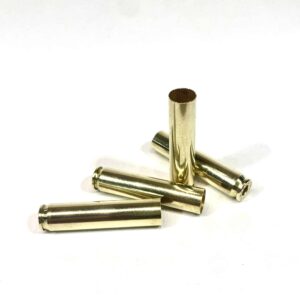
New Starline 45-70 Government Brass- 20 count
$10.59Qty: -
New Starline 223 Remington Brass- 100 count
$31.81
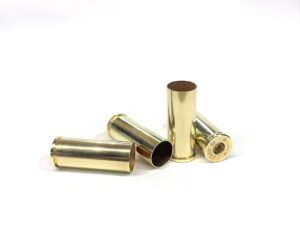
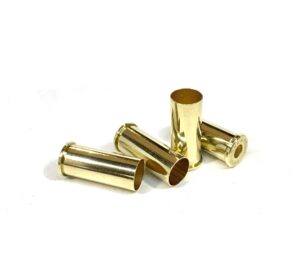
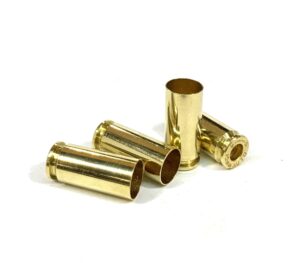
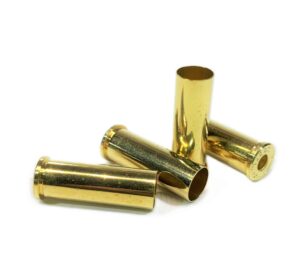
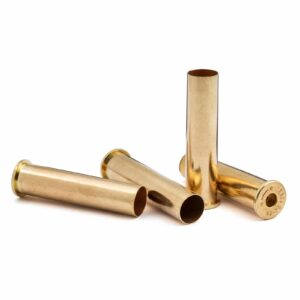
Why Choose Premium Brass?
A lot of reloading problems get blamed on powder or primers when the real culprit is the case. Premium brass helps you control the variables that actually move the needle:
- Consistency you can measure: Better uniformity in case wall thickness and internal volume, resulting in more repeatable results.
- Better case life: Fewer split mouths, fewer early cracks, and fewer surprises.
- More predictable pressure behavior: Especially important when you’re loading toward the upper end (and doing it responsibly).
What Makes Steinel Reloading Brass Different
We don’t sell you a box of random, mixed-up brass cases pulled from who-knows-where. We sell you consistency you can trust. When you’re buying brass for sale from Steinel Ammo, you know what you’re getting and it’s worth your time.
- New brass focus: Our selection is built around new cases. That means less unknown history and fewer hidden problems.
- Name-brand cases: You’ll see options like Starline brass for sale (and select offerings like Norma, when available).
- Practical calibers, not just popular ones: Straight-wall hunters, big-bore revolver guys, and oddball projects need brass too and we pay attention to that crowd.
Explore Our Brass by Caliber
Below are examples of what you’ll find in our reloading brass cases lineup.
Straight-Wall & Hunting Favorites
- 45-70 Government, 50-70 Government
- 350 Legend
- 450 Bushmaster
- 444 Marlin
Big-Bore Revolver & “No Boring Ammo” Territory
Classic Revolver Calibers
Modern Rifle Staples
- 223 Remington (50 / 100 count options listed)
- 270 Winchester
- 308 Winchester
- 6.5 Creedmoor
- 6.5 Grendel
- 7.62×39
- 300 Blackout
- 300 WSM (Norma)
Specialty / Shop Favorites
Once-Fired vs. New Brass
Once-fired Brass
Can be fine if it’s properly sorted, processed, inspected, and you trust the source. But it comes with unknowns: sizing history, pressure history, possible chamber issues, and possible damage you won’t see until it bites you.
New Brass
Costs more up front, but it usually saves you time (and frustration) on the back end. It’s the cleaner starting point for consistency, especially for hunting loads, defensive loads, or anything you want to repeat confidently.
If you value predictability, new brass is the easier path. If you value saving money and don’t mind extra sorting/processing, once-fired can work, but it’s not “free.” You pay somewhere: time, tools, or variance.
FAQs
Q1. Do I need to clean reloading brass before first use?
A. New brass is typically ready to load, but many reloaders still wipe it down or lightly tumble to remove any manufacturing residue and to ensure smooth feeding through dies. If you see visible residue or dust, clean it.
Q2. Does brass from different manufacturers load the same?
A. No. Case capacity, wall thickness, hardness, and dimensions can vary by maker. That means pressure and velocity can change. Treat manufacturer changes like a component change: back off and confirm.
Q3. Why does brass weight vary within the same caliber?
A. Weight differences usually come from differences in wall thickness and internal volume (and sometimes alloy or design). Heavier doesn’t automatically mean “better,” but it can mean less internal volume, which can raise pressure with the same load.
Q4. Why do some cases crack after only a few reloads?
A. Common reasons include work-hardening (especially at the mouth), over-sizing, hot loads, or brass that started life with an unknown history.
Q5. Can I use the same brass for both light target loads and higher-pressure loads?
A. You can, but it’s smarter to separate brass by purpose once you get serious. Hotter loads tend to shorten case life and can loosen primer pockets sooner. Keeping “match/precision,” “hunting,” and “practice” brass separate saves headaches.
Q6. Is reloading brass safe to store long-term?
A. Yes, store it dry, cool, and protected from corrosion. Use sealed containers if your environment is humid, and keep it away from chemicals (especially anything that can cause corrosion). Label by caliber, manufacturer, and number of firings if you’re organized (future-you will thank you).