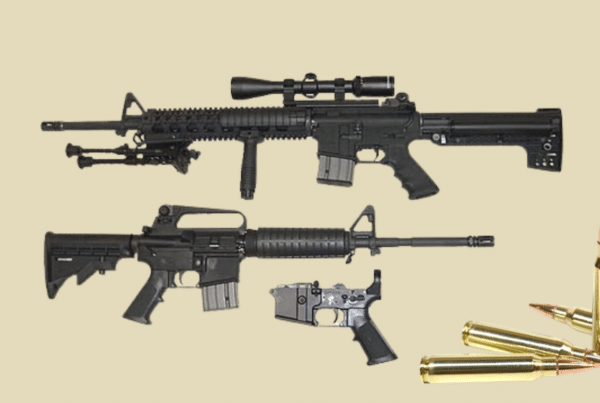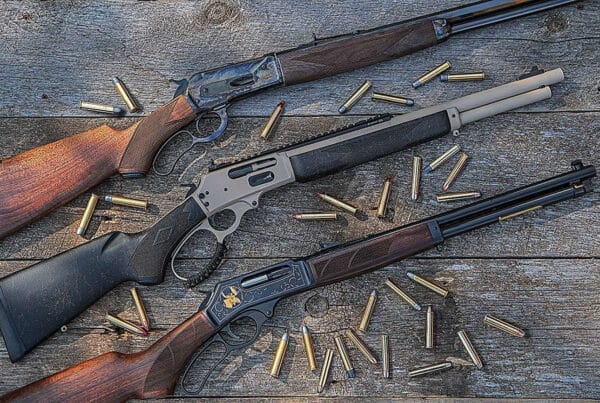
Vintage and military-surplus firearms, with their timeless designs and historical significance, are seeing a resurgence in popularity among collectors, hunters, and shooting enthusiasts. However, while many owners are eager to fire up these classic firearms, there’s one major issue: ammunition. These old-school guns require special ammo to perform safely and accurately. This post discusses why premium ammo is the solution to the challenges facing retro firearm owners today.
Why Standard Modern Ammo Isn’t Always a Good Match
Modern ammunition is designed for modern guns, which creates real problems for vintage firearms. Here’s why:
Higher pressure
Modern ammo tends to be much higher in pressure, which can strain older firearms. For instance, a 1950s bolt-action was commonly designed to achieve chamber pressures of 50,000 PSI. However, modern loads in the same Caliber can reach 65,000 PSI or more. This extra pressure stresses components that are already decades old.
Ignition Issues:
Many vintage firearms use older firing mechanisms that may not work well with modern primers. Modern ammunition is often loaded with harder primers that can fail to ignite in older guns, leading to misfires or hang fires. This not only affects reliability but can also create dangerous situations, especially if the gun is not properly inspected or maintained.
Bullet Weight Mismatches:
Many vintage rifles, like the .45-70 Government, were designed for specific bullet weights, such as 405 grains. Using modern, lighter bullets or high-pressure loads can cause poor accuracy, wear, and even firearm failure. Mismatched ammo may work occasionally but it can damage your firearm over time.
Cycling Failures:
Semi-automatic designs from the early to mid-20th century were tuned for specific powder charges and bullet weights. Modern loads with different burn rates can cause failures to eject, feed, or brutal recoil that beats up the gun and the shooter. The gas system or recoil operation was calibrated for ammunition with particular pressure curves and timing. Use the wrong load, and the action either short-strokes, fails to cycle fully or batters itself with excessive force.
How Premium Ammo Addresses These Challenges
Premium ammunition is specifically designed to address the unique needs of vintage firearms. Unlike standard modern ammo, premium loads are carefully crafted to ensure safe and reliable performance in older guns. Here’s how it helps:
Engineered for Original Specifications
Premium ammo is built to match the original specifications of the firearm it’s intended for. This means that the pressure, bullet weight, and other key factors are designed to match what the firearm was originally built to handle. For example, if your vintage rifle was designed for a specific grain weight or a particular powder charge, premium ammo will replicate those factors, ensuring your firearm operates as it did when it was first manufactured. This attention to detail minimizes the risk of damaging your gun while maximizing its performance.
Historically Accurate Loads
Premium ammo manufacturers often study historical records to recreate ammunition that closely matches the original cartridges used in vintage firearms. These historically accurate loads not only preserve the authenticity of the shooting experience but also improve the accuracy of older guns. For instance, a classic military rifle from the World War II era might perform best with a load that mirrors the original military-spec ammunition, allowing shooters to enjoy a more authentic shooting experience with improved precision and performance.
Clean and Non-Corrosive
One of the biggest benefits of premium ammo is that it uses clean, non-corrosive propellants. Many surplus or older rounds use corrosive primers and powders, which can cause rust and deterioration to both the firearm’s barrel and internal components. Premium ammo, on the other hand, is manufactured using modern, non-corrosive primers and cleaner-burning powders. This keeps your vintage firearms in top condition, reducing maintenance and preventing long-term damage from rust and corrosion. It’s the perfect choice for anyone looking to protect their investment in a classic firearm.
Surplus vs. Premium: What’s the Real Difference
When comparing surplus ammo to premium ammo, it’s important to consider both the performance and long-term care of your vintage firearm. Here’s a quick look at the differences:
Surplus Ammo
- Surplus ammo is typically much cheaper than premium alternatives, but the savings come with a price.
- The quality can vary significantly between batches, leading to inconsistent performance. This means you might experience misfires, erratic accuracy, or unreliable cycling, especially in vintage firearms.
- Surplus ammo is not always readily available and it may not be suitable for your specific firearm. Plus, since it was originally designed for military or surplus use, it may not meet the original specifications of your vintage gun, potentially leading to safety or functionality issues.
Premium Ammo
- Premium ammo is known for its consistency. Each round is loaded to precise specifications, ensuring more reliable ignition, consistent pressure, and accurate performance.
- Premium ammo uses modern, non-corrosive primers and cleaner-burning powders. This reduces the risk of rust and corrosion, keeping your vintage firearms in good working order for longer.
- Premium ammo is purpose-built for compatibility with a range of vintage firearms. It’s designed to replicate original load specifications, ensuring that the ammo not only fits your firearm but also performs as intended.
What Shooters Notice After Making the Switch
Switching to premium ammunition can have noticeable effects on your shooting experience. Here’s what many shooters report after making the change:
Better Accuracy
Premium ammo allows for tighter groupings on target. For instance, your vintage rifle, once printing four-inch groups at 100 yards, may suddenly deliver two-inch groups with premium ammunition. Consistent powder charges and bullet seating make a noticeable difference in accuracy.
More Consistent Recoil
Recoil becomes more consistent, helping you develop better shooting habits. Follow-up shots are faster, and semi-automatic actions cycle smoothly without jamming or failing to lock back.
Cleaner Firearm
You’ll notice less fouling in the bore and action. Clean-up takes half the time, and there’s no worry about corrosive residue damaging your firearm between cleaning sessions.
Boosted Confidence
With ammo engineered for your specific firearm, you can trust that misfires aren’t due to faulty ammunition. Confidence soars when you know your gear is set up to perform at its best.
Tips for Choosing the Right Ammo for a Vintage Gun
Picking the right ammo for your old gun can be tricky, but following these tips will help:
Look for ammo designed for legacy firearms
Always choose ammo made specifically for older firearms. Check reference books, manufacturer specifications, or collector forums. A rifle chambered in .30-06 Springfield might have different pressure limits depending on whether it was made in 1920 or 1960.
Avoid +P or +P+ loads
These designations mean increased pressure, which is exactly what you don’t want in a vintage firearm. Standard pressure loads will serve you better.
Match bullet weights
Ensure the bullet weight is close to what the original factory ammo used. If your classic revolver was designed for 158-grain lead round nose bullets, don’t jump straight to 125-grain jacketed hollow points just because they’re available. Start with what the gun was built for.
Test across firearms
Look for ammo that’s been tested in the same caliber across multiple vintage guns. Reputable premium ammo manufacturers will often note which specific models they’ve validated their loads with. That testing data can guide your purchase decisions.
FAQs
Q1. Can premium ammo make an old gun more accurate?
Yes, premium ammo is designed to enhance the accuracy of older firearms by ensuring proper fit and function.
Q2. Why does modern ammo feel too powerful in vintage rifles?
Modern ammo is often higher-pressure and faster, which can be too much for older guns designed with less powerful cartridges in mind.
Q3. What improvements have been made to past cartridge designs?
Modern ammunition features cleaner propellants, more consistent bullet weights, and softer primers, making it safer and more reliable for older guns.
Q4. What’s the best first step for someone unsure what ammo to buy?
Start by consulting your firearm’s manufacturer recommendations or seek out premium ammo specifically designed for vintage guns.
Ready to Maximize Your Vintage Firearm’s Performance
When it comes to vintage firearms, precision and reliability are key. Classic guns perform their best when paired with premium, carefully designed ammunition. By choosing ammo that’s specifically engineered for these retro weapons, you’re enhancing both their performance and preserving the value of your investment. For the best in premium ammo, reach out to the team at Steinel Ammo today, and keep your historic firearms alive with modern reliability