When shooters talk about accuracy, reliability, and consistency, they often focus on firearm quality, optics, or shooting technique. One critical factor is frequently overlooked: temperature. Whether you’re hunting in cold weather, shooting steel on a hot summer day, or storing ammunition long-term, temperature plays a major role in how ammunition performs.
Understanding how temperature affects ammunition can help you shoot more accurately, avoid malfunctions, and choose the right ammo for your environment. In this guide, we’ll break it down in simple terms no engineering degree required.
Why Temperature Matters in Ammunition
Ammunition performance depends on a precise balance of components working together:
- Powder ignition
- Burn rate
- Pressure buildup
- Bullet velocity
Temperature influences all of these factors. Extreme heat or cold can change how fast powder burns, how much pressure develops inside the chamber, and how consistently rounds perform from shot to shot.
Even moderate temperature changes like going from a climate-controlled room to an outdoor range can impact results, especially with precision or subsonic ammunition.
Cold Weather and Ammunition Performance
Slower Powder Burn
In cold temperatures, gunpowder burns more slowly. This can lead to:
- Lower muzzle velocity
- Reduced energy on target
- Inconsistent shot-to-shot performance
For hunters, this can mean less reliable terminal performance. For target shooters, it often shows up as vertical stringing or point-of-impact shifts.
Potential Cycling Issues
Cold weather can also affect firearm operation:
- Reduced gas pressure
- Slower bolt or slide movement
- Increased risk of short-stroking in semi-autos
This is especially noticeable with subsonic ammunition, where pressure margins are already lower. Quality subsonic loads such as 300 Blackout 200gr Subsonic SCHP are specifically engineered to maintain reliable cycling across temperature ranges.
Primer Sensitivity in the Cold
Low temperatures can make primers slightly less sensitive, particularly in older or surplus ammunition. This increases the risk of light strikes or delayed ignition. Premium ammunition using modern, high-quality primers significantly reduces this risk.
Hot Weather and Ammunition Performance
Increased Pressure
High temperatures can cause powder to burn faster, increasing chamber pressure. In extreme heat, this may result in:
- Higher-than-expected muzzle velocity
- Increased recoil
- Accelerated barrel wear
Well-designed ammunition stays within SAAMI pressure specifications even in warmer conditions, but this is one reason why quality manufacturing and proper load development matter.
Velocity Changes
On hot days, shooters may notice rounds impacting higher than expected due to increased velocity. This is especially relevant for longer-range rifle shooting. Vintage cartridges, such as 6.5x50mmSR Arisaka 140gr SP, benefit from careful load development that respects original pressure limits while maintaining consistency across temperatures.
How Temperature Affects Subsonic Ammunition
Subsonic ammunition is uniquely sensitive to temperature because it operates within a narrow velocity window below the speed of sound.
Cold Weather Risks
In colder temperatures, subsonic rounds may:
- Drop below reliable cycling thresholds
- Lose expansion performance
- Experience larger velocity spreads
This is why premium subsonic ammo is extensively tested across different barrel lengths and conditions. A well-developed load like 300 Blackout 200gr Subsonic SCHP is designed to maintain dependable performance even when temperatures drop.
Hot Weather Considerations
In high heat, subsonic ammo may creep closer to the speed of sound, potentially causing inconsistent suppression performance. Tight velocity tolerances help prevent this issue.
Temperature and Vintage Ammunition
Vintage and Milsap firearms often require extra care when it comes to ammunition selection.
Why It Matters More for Older Firearms
- Older designs were built around specific pressure curves
- Heat-related pressure spikes can be harder on aging steel
- Cold weather can exaggerate feeding and ignition issues
Modern production ammo designed specifically for vintage calibers such as 7.65 French Long 110gr RN is loaded to correct specifications using modern, non-corrosive components. This ensures safe, reliable performance without stressing historic firearms.
Accuracy, Temperature, and Real-World Shooting
Temperature-related velocity changes directly affect trajectory:
- Colder ammo → lower velocity → more drop
- Hotter ammo → higher velocity → flatter trajectory
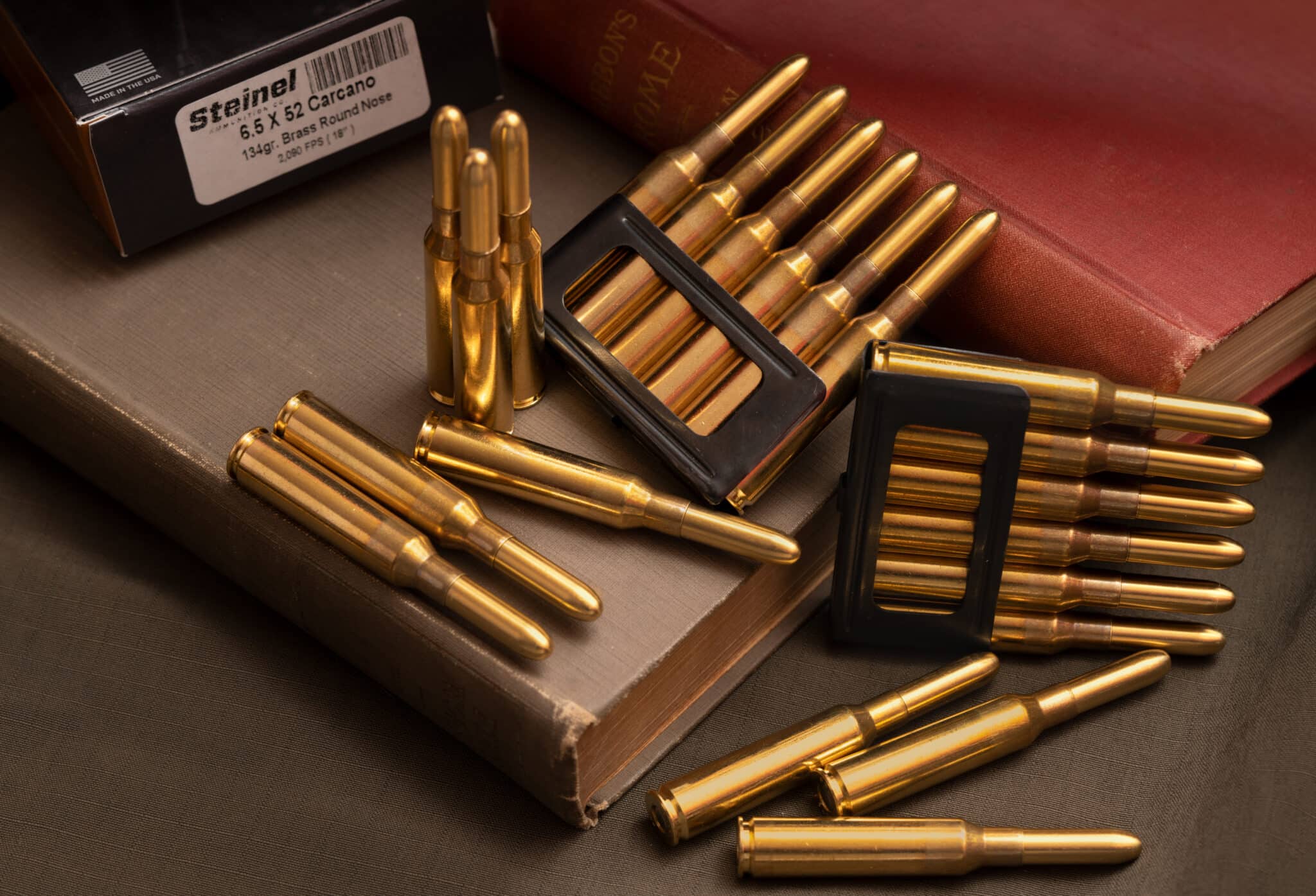
At short distances, this may be negligible. At 200 yards and beyond, the difference can become noticeable especially with traditional cartridges like 6.5 Arisaka ammo, where full-length barrels and classic ballistics are part of the shooting experience. This is why many shooters confirm zero under conditions similar to how they plan to shoot or hunt.
Practical Tips for Shooters
Here are a few simple ways to manage temperature-related performance changes:
- Store ammo properly before heading to the range or field
- Avoid leaving rounds exposed to direct sun or extreme cold
- Use ammo designed for your firearm type, especially with subsonic or vintage platforms
- Confirm zero in conditions similar to your intended use
- Choose quality ammunition with documented testing standards
Small steps can make a noticeable difference.
FAQS
Q1. Can you leave ammunition in a hot car?
It’s not recommended. Heat can degrade powder and primers over time, reducing reliability and performance.
Q2. Can ammo be stored in a hot garage?
Short term is usually fine, but long-term heat and temperature swings can shorten ammo lifespan.
Q3. Does ammo need to be stored in climate-controlled storage?
Climate control is ideal but not required. Cool, dry, stable temperatures are most important.
Q4. Can you vacuum seal bullets?
Yes. Vacuum sealing protects ammo from moisture and corrosion if done properly.
Q5. Can ammo go off if it gets too hot?
Normal heat won’t cause ammo to fire. Extremely high temperatures (like a fire) are required.