
223 Remington Ammo
Showing all 3 resultsSorted by latest
Premium .223 Remington Ammo for Range, Hunting, and Tactical Use
Explore Steinel Ammunition Co.’s selection of .223 Remington ammo, engineered for precision, consistency, and versatile performance across shooting applications. Our 223 Remington ammunition delivers exceptional accuracy and reliable ballistics, whether you are engaged in varmint hunting, competitive shooting, or tactical training. From solid copper hollow points to match-grade boat tail designs, browse our selection of 223 Remington rounds to choose the load that best suits your rifle and shooting discipline.
-
Sale!
In Stock
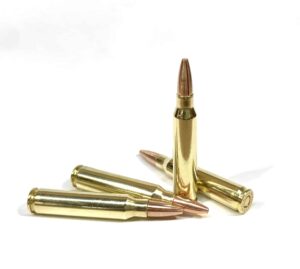
223 Remington 62gr. Solid Copper Hollow Point
Original price was: $44.93.$30.50Current price is: $30.50.Save : $14.43Qty: -
Sale!
In Stock
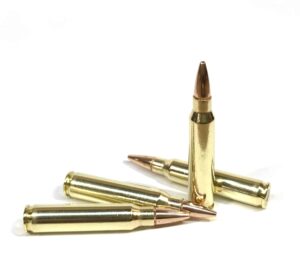
223 Remington Match Grade 68gr. BTHP
Original price was: $26.61.$21.29Current price is: $21.29.Save : $5.32Qty: -
Sale!
In Stock
223 Remington Match Grade 55gr. Soft Point
Original price was: $23.49.$18.79Current price is: $18.79.Save : $4.70Qty:
223 Ammo for Sale
Our current 223 ammo for sale includes:
– 223 Remington 55gr Soft Point – suitable for general shooting and applications where a soft-point bullet is preferred.
– 223 Remington 62gr Solid Copper Hollow Point – a lead-free option with a solid copper projectile.
– 223 Remington Match Grade 68gr BTHP – a heavier match-style bullet designed for precision-oriented shooting.
Availability can change, so check the individual product listing for current stock status, specifications, and pricing.
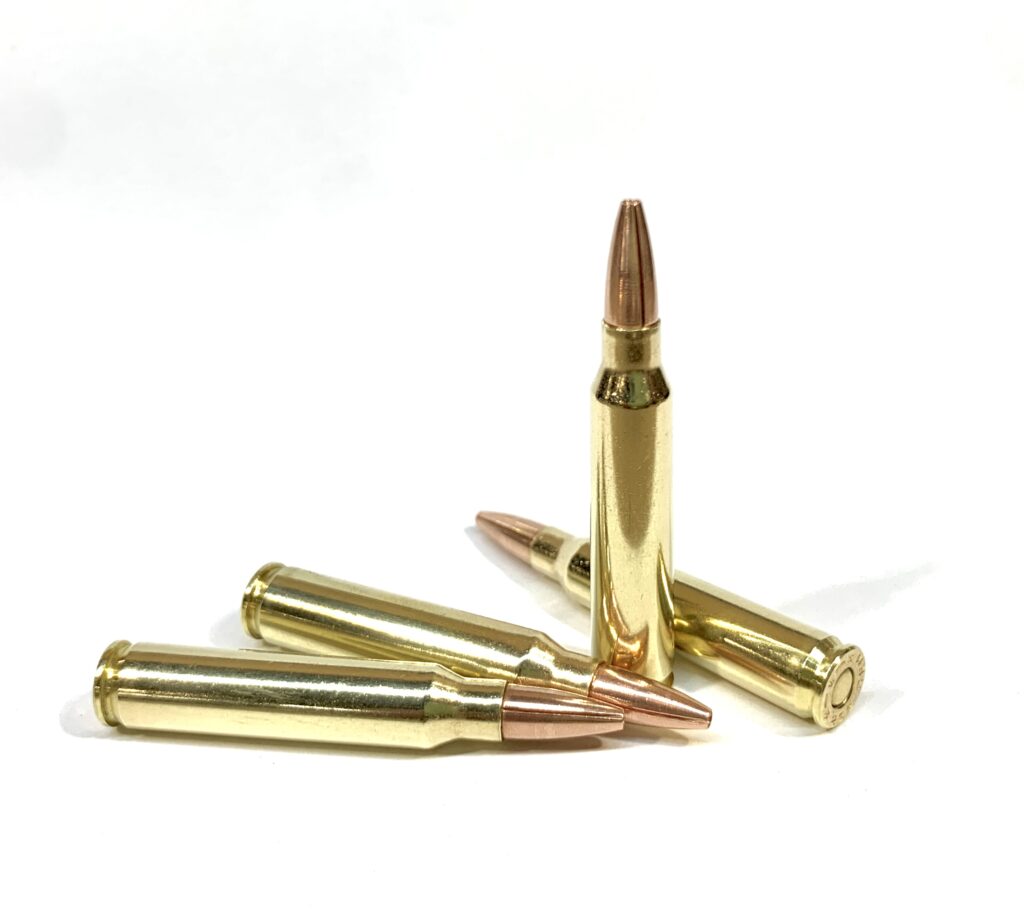
223 Remington 62gr. Solid Copper Hollow Point
What Is .223 Remington Ammo?
The .223 Remington is a centerfire rifle cartridge introduced in the 1960s and based on the .222 Remington Magnum case. It uses a .224-inch diameter bullet and is available with a wide range of bullet weights and designs.
Different .223 Remington loads can behave quite differently. A lightweight varmint bullet, a soft point, and a heavier match bullet are intended for different purposes, so choosing ammunition based on the bullet design is just as important as choosing the cartridge itself.
.223 Remington vs. 5.56 NATO
The .223 Remington and 5.56×45mm NATO cartridges have very similar external dimensions, but the chamber specifications and ammunition standards are not identical.
A 5.56 NATO chamber generally has a longer throat than a .223 Remington chamber. This is one reason the two cartridges should not automatically be treated as interchangeable.
According to SAAMI, .223 Remington ammunition is safe to use in a 5.56 military-specification chamber. However, SAAMI advises against firing 5.56 NATO ammunition in a barrel marked .223 Remington because the shorter throat can result in increased pressure. If there is any uncertainty, check the firearm manufacturer’s specifications before using the ammunition.
The simple rule: always use ammunition that matches the chamber marking and specifications of your firearm.
Applications of .223 Remington Ammo
Varmint and Predator Hunting
The .223 Remington is widely used for varmint and predator hunting. Its relatively flat trajectory and broad selection of lightweight and controlled-expansion bullets make it suitable for applications where a smaller-caliber centerfire rifle is appropriate.
Bullet selection matters. A lightweight varmint bullet and a heavier hunting projectile will behave differently, so the load should be selected according to the intended game and local regulations.
Target and Range Shooting
The moderate recoil and widespread availability of .223 Remington ammunition make it a popular choice for range shooting. It is suitable for practice, recreational shooting, and target work when paired with ammunition appropriate for the rifle.
Competition and Precision Shooting
Heavier .223 Remington bullets such as 68gr and 69gr BTHP designs are commonly associated with precision and competition shooting. The 68gr BTHP load in the Steinel lineup is intended for shooters looking for a match-style option.
Training
The .223 Remington is also commonly used for rifle training because of its relatively light recoil and wide availability. It can be used to practice basic marksmanship, rifle handling, and shooting fundamentals.
Small Game Hunting
Depending on local regulations and the specific game, .223 Remington can be used for various small-game and pest-control applications. Always check state and local hunting regulations before selecting ammunition for a particular species.
How to Choose 223 Remington Ammo
The best .223 load depends on what you intend to do with it.
For general range shooting: a 55gr load is a common choice.
For hunting: choose a bullet designed for the intended game and check local regulations.
For precision shooting: heavier BTHP or match-style bullets may be preferable, depending on the rifle’s twist rate and the distance being shot.
For lead-free applications: a solid copper projectile provides an alternative to conventional lead-core bullets.
It is also worth checking your rifle’s barrel twist rate when selecting heavier .223 bullets, since bullet stability can vary between rifles.
Why Bullet Weight Matters in .223
Bullet weight has a noticeable effect on .223 Remington performance.
Lighter bullets can reach higher velocities and are commonly used for varmint and general-purpose shooting. Heavier bullets generally leave the barrel at lower velocities but can have higher ballistic coefficients, which can help maintain velocity and resist wind drift at longer distances.
This is why there is no single “best” .223 load for every application. The right choice depends on the rifle, barrel, bullet design, and intended use.
Rifles Chambered for .223 Remington
The .223 Remington is available in a wide variety of rifles. Examples include:
– Ruger Mini-14
– Remington Model 700
– AR-15-style rifles chambered for .223 Remington
– Various bolt-action, semi-automatic, and sporting rifles from major manufacturers
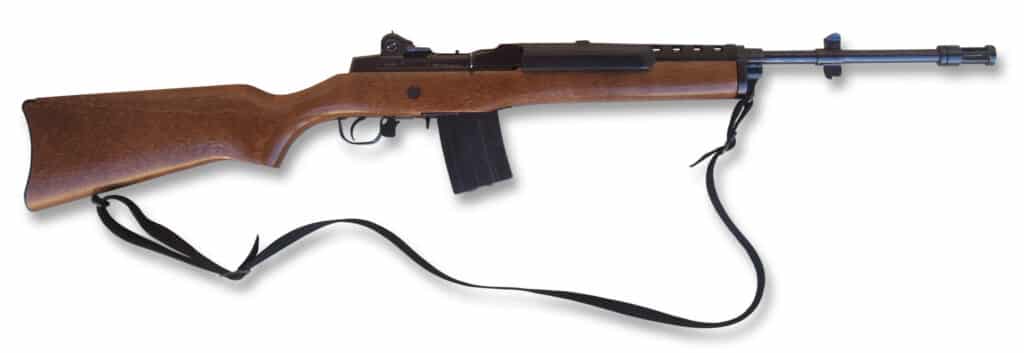
The Mini-14 Government Barrel with sling
The Ruger Mini-14, for example, has been offered in .223 Remington, and Ruger documentation specifically identifies .223 Remington as a chambering for Mini-14 variants.
Frequently Asked Questions
Q1. Why is .223 ammo so expensive?
.223 ammo prices vary based on bullet type, components, manufacturing costs, and market demand. Match-grade and specialty load generally cost more than standard loads.
Q2. Is .223 more powerful than 9mm?
Generally, yes. .223 Remington is a rifle cartridge and typically produces substantially higher velocity and muzzle energy than 9mm handgun ammunition.
Q3. What is .223 ammo good for?
.223 Remington is commonly used for range shooting, training, competition, varmint and predator hunting, and deer hunting where permitted by local regulations and when using an appropriate hunting load.
Q4. How far will a .223 shoot accurately?
Accuracy depends on the rifle, ammunition, shooter, barrel, and environmental conditions. Many .223 rifles are capable of accurate shooting at several hundred yards, but practical accuracy varies by setup.
Q5. What caliber is .223 equal to?
.223 Remington is a .22-caliber centerfire rifle cartridge using a .224-inch diameter bullet. It is not directly interchangeable with other .22-caliber cartridges.
Q6. Can I shoot 5.56 in a .223 rifle?
A firearm marked specifically .223 Remington should not be assumed to safely fire 5.56 NATO ammunition. Check the firearm manufacturer’s specifications before using 5.56 ammunition. SAAMI advises against using 5.56 ammunition in a firearm marked .223 Remington.