Ammunition marked +P is loaded to higher pressure than standard-pressure ammunition of the same cartridge. The designation is important because +P ammunition can produce higher velocity and energy, but it should only be used in firearms specifically rated for that ammunition.
Understanding +P ammo markings is especially important when choosing cartridges such as .38 Special, 9mm, and .45 ACP. The marking on the cartridge and ammunition packaging tells you that the load is not simply a standard-pressure version of the same caliber.
What Is +P Ammo?
+P ammo means ammunition loaded with a pressure higher than the standard pressure established for that cartridge. The “+” designation is part of the cartridge’s pressure classification and is not simply a marketing term for more powerful ammunition.
For example, 38 Special +P ammunition operates at a higher pressure than standard .38 Special ammunition. Similarly, 9mm +P ammunition is loaded above standard 9mm pressure specifications.
The important distinction is that +P does not mean that the ammunition is universally interchangeable with standard-pressure ammunition. The firearm must be rated for the specific +P cartridge.
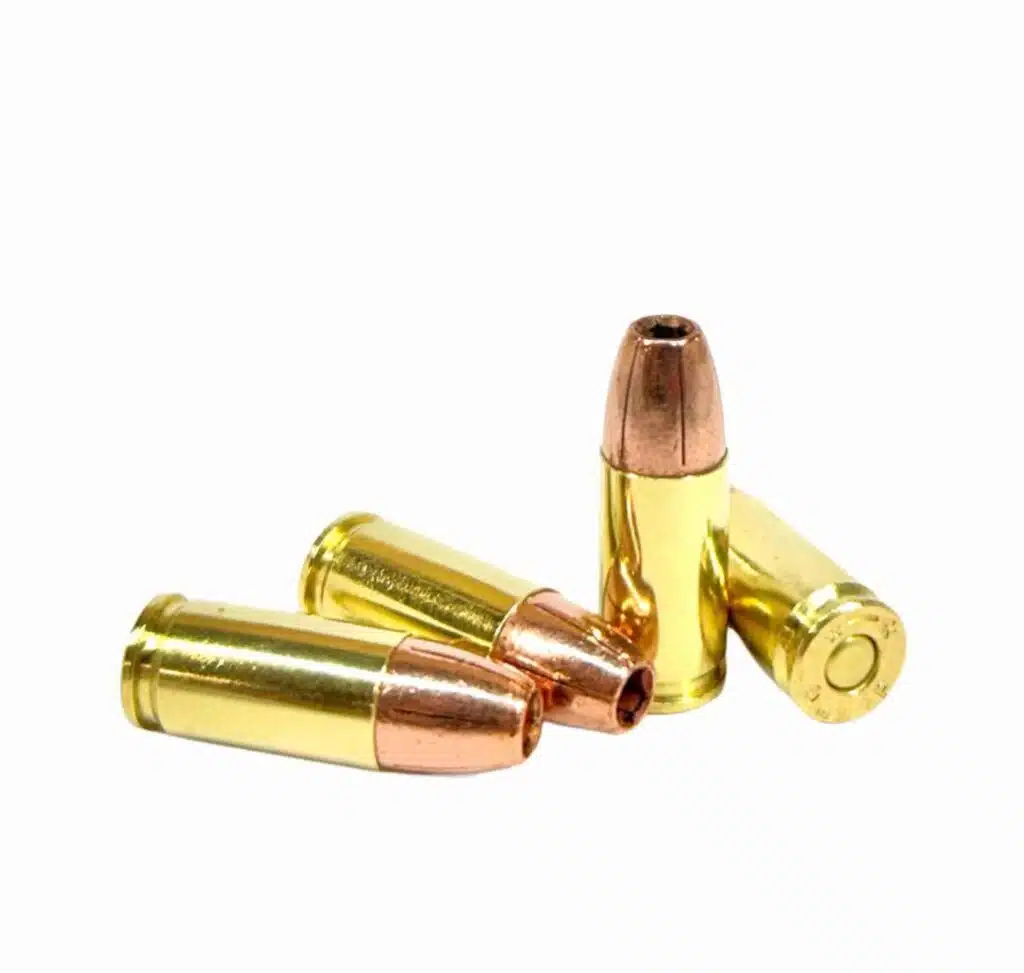
9mm +P 124gr. Ultimate Home Defense SCHP
How to Identify +P Ammunition
The simplest way to identify p ammo is to check both the cartridge and its original packaging. Ammunition manufacturers generally identify +P loads with a visible “+” marking next to the cartridge designation.
Common examples include:
– 9mm +P
– .45 ACP +P
Do not rely only on the appearance of the cartridge or bullet. If the packaging does not clearly identify the ammunition as +P, check the manufacturer’s product information before using it.
What Does the +P Marking Mean?
The “+” marking indicates that the ammunition is loaded to a pressure level above the standard specification for that cartridge.
It does not mean that every +P load has the same pressure. Pressure limits are specific to the cartridge, and manufacturers develop their ammunition within the applicable industry specifications.
Comparing +P ammunition solely by the “+” symbol can be misleading. The cartridge designation, manufacturer specifications, bullet weight, and load data all matter.
Standard Pressure vs. +P Ammunition
The main difference between standard-pressure and +P ammunition is the pressure at which the cartridge operates.
| Feature | Standard Pressure | +P Ammunition |
| Pressure | Standard specification | Higher than standard |
| Velocity | Depends on load | May be higher |
| Muzzle Energy | Depends on load | May be higher |
| Recoil | Generally lower | Can be greater |
| Firearm Requirement | Standard-rated firearm | Firearm must be +P rated |
| Ammunition Label | Standard cartridge designation | Cartridge designation with +P |
Higher pressure can provide increased velocity with some loads, but it can also increase recoil, muzzle blast, and mechanical stress.
38 Special +P Ammunition
38 Special +P is one of the most encountered +P designations. It provides higher pressure loading than standard .38 Special ammunition and has been used in defensive and other applications where the firearm is rated for it.
However, not every .38 Special firearm should be assumed to be suitable for +P ammunition. Older revolvers and firearms with specific manufacturer limitations require particular attention to their owner’s manual and markings.
Steinel Ammunition Co. offers .38 Special 195gr Lever Action Subsonic RN Ammo, which is a standard .38 Special load rather than a +P product. The load uses a 195-grain round-nose projectile and is designed around subsonic performance, making it a relevant example of why shooters should distinguish between standard-pressure ammunition and +P ammunition rather than treating all .38 Special loads alike.
9mm +P Ammunition
9mm +P ammunition is loaded to a higher pressure than standard 9mm ammunition. Depending on the load, the additional pressure can produce higher velocity and energy.
Before using 9mm +P, confirm that the firearm manufacturer specifically permits +P ammunition. A firearm chambered for 9mm should not automatically be assumed to be rated for every pressure classification of 9mm ammunition.
The ammunition box and manufacturer’s specifications should always be used to identify the exact load.
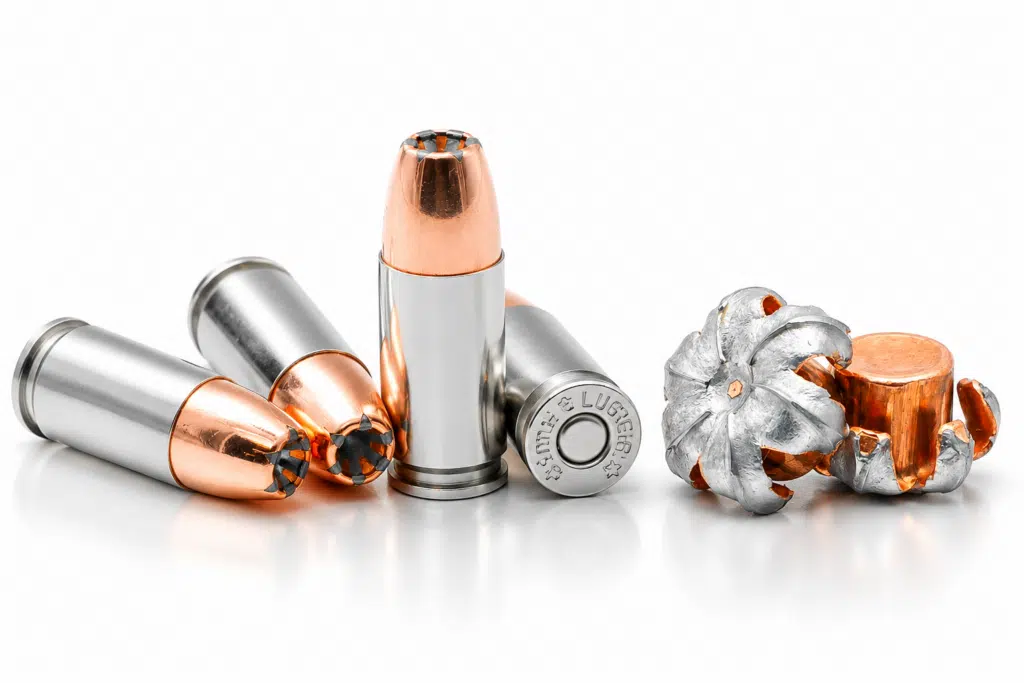
Nickel Case- 9mm +P 115gr. Gold Dot Defensive Jacketed Hollow Point
.45 ACP +P Ammo
.45 ACP +P ammo operates at a higher pressure than standard .45 ACP ammunition. It is available in certain defensive and performance-oriented loads and can provide increased velocity depending on bullet weight and load design.
As with other +P cartridges, firearm compatibility is critical. Check the manufacturer’s specifications before using .45 ACP +P ammunition, particularly with older firearms.
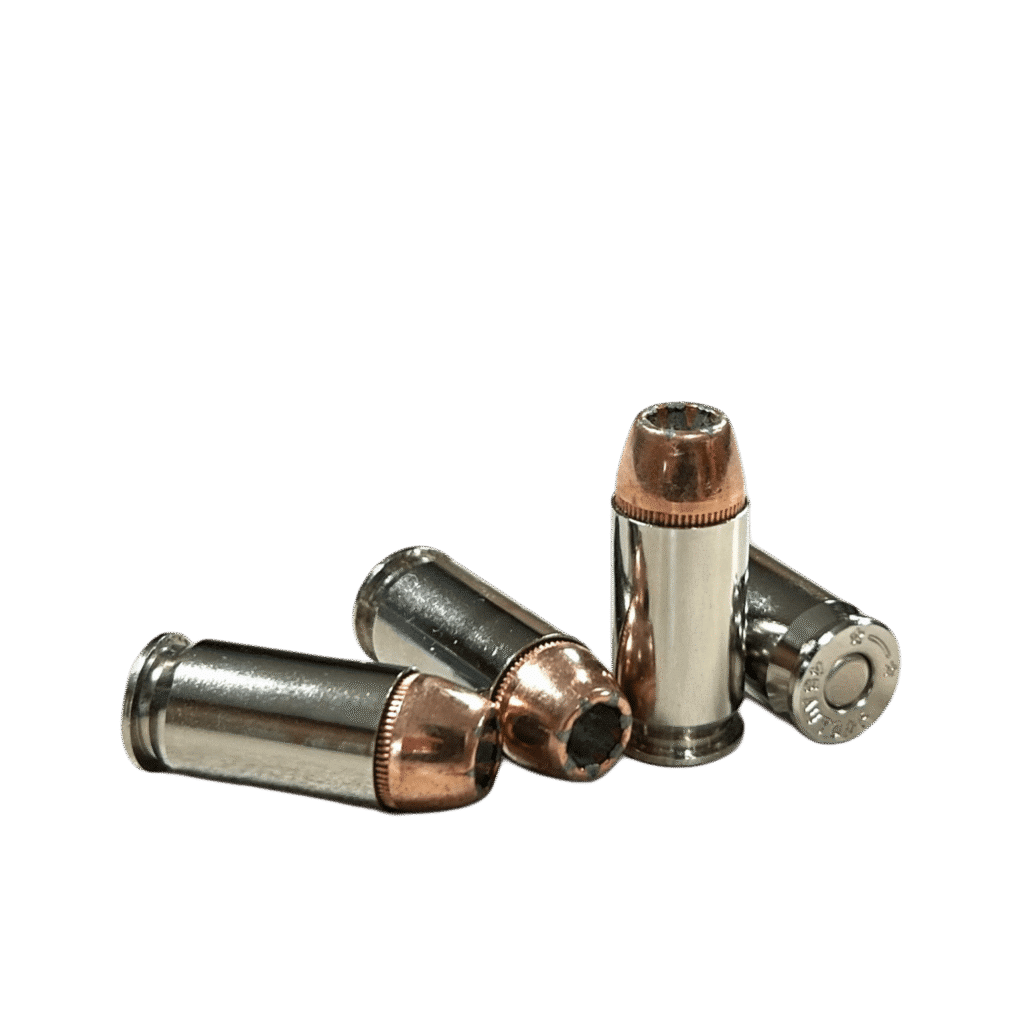
45 ACP 230 grain (+P) Defensive Hollow Points- Gold Dot
Can You Use +P Ammo in Any Firearm?
No. +P ammunition should only be used in firearms specifically rated for the applicable +P cartridge.
A firearm’s caliber marking tells you the cartridge it is chambered for, but it does not necessarily confirm that the firearm is approved for every pressure variant of that cartridge. Always consult the firearm manufacturer’s manual or specifications.
This is particularly important with older firearms, where pressure recommendations may differ from those of modern designs.
Does +P Ammo Cause More Recoil?
It can. Higher-pressure ammunition may produce higher velocity and greater recoil, although the actual recoil depends on bullet weight, firearm weight, projectile velocity, and other factors.
Shooters should also expect that some +P loads may produce more muzzle blast than comparable standard-pressure ammunition.
Is +P Ammo More Powerful?
+P ammunition can produce higher velocity and muzzle energy than a comparable standard-pressure load, but the actual difference depends on the specific ammunition.
The “+” designation indicates higher pressure; it does not by itself establish a specific velocity, energy level, or terminal performance.
How to Read Ammunition Pressure Labels
When examining a box of ammunition, look for the complete cartridge designation rather than focusing only on the caliber number.
For example:
Standard: .38 Special
Higher-pressure variant: .38 Special +P
Standard: 9mm Luger
Higher-pressure variant: 9mm Luger +P
The manufacturer’s packaging should also identify the bullet weight and projectile type. These details help distinguish different loads within the same cartridge designation.
P Ammo, +P Ammo, and Pressure Terminology
Searches for p ammo, p mm ammo, and what is p ammo can sometimes create confusion because “P” may appear in different ammunition terminology. In the context of this article, +P specifically refers to ammunition loaded above the standard pressure specification for a particular cartridge.
It should not be confused with a separate cartridge designation or assumed to mean the same pressure across different calibers.
Choosing the Right +P Ammunition
Start by confirming that your firearm is rated for the specific +P cartridge. Then consider the bullet weight, projectile design, intended application, recoil, and the ammunition manufacturer’s published specifications.
If your firearm is not specifically approved for +P ammunition, use an appropriate standard-pressure load instead. There is no benefit in selecting a higher-pressure cartridge if the firearm is not designed to handle it.
Why Ammunition Labeling Matters
Ammunition labels provide information that directly affects safe firearm use. The cartridge designation, pressure classification, bullet weight, projectile construction, and manufacturer specifications should all be considered before loading ammunition.
The +P marking is therefore more than a performance label. It tells the shooter that the cartridge operates under a higher-pressure specification and that firearm compatibility needs to be confirmed.
Final Thoughts
Understanding +P ammo starts with recognizing the “+” marking as a pressure designation rather than simply a claim of increased power. Loads such as 38 Special +P, 9mm +P, and 45 ACP +P ammo operate above their respective standard-pressure versions and should only be used in firearms rated for them.
When selecting ammunition, always verify the complete cartridge designation, pressure classification, bullet construction, and firearm manufacturer’s recommendations. Steinel’s .38 Special 195gr Lever Action Subsonic RN Ammo is an example of a standard .38 Special load, illustrating why the exact ammunition specification matters when comparing standard-pressure and +P cartridges.
FAQ’s
Q1. What is the point of +P ammo?
The main purpose of +P ammunition is to provide higher pressure that can produce increased velocity and energy compared with a comparable standard-pressure load. It is intended for firearms specifically rated to handle higher pressure.
Q2. Is +P good for self-defense?
+P ammunition can be suitable for self-defense when the firearm is rated for it and the load is appropriate for the application. Its higher pressure may provide increased velocity, but it can also produce more recoil and muzzle blast.
Q3. Can you use +P in any 9mm?
No. Not every 9mm firearm is rated as +P ammunition, so the firearm manufacturer’s specifications should be checked before using a 9mm +P load.
Q4. Will 9mm +P stop a bear?
9mm +P should not be considered a guaranteed solution for stopping a bear. Defensive ammunition selection, firearm capability, shot placement, and the circumstances involved all matters, and local wildlife guidance should be followed.
Q5. What does +P mean regarding ammo?
+P means the ammunition is loaded to a pressure higher than the standard pressure specification for that cartridge. It does not mean that all +P ammunition has the same pressure or performance.