
Bullets
Showing all 10 resultsSorted by latest
Bullets are the heart of every round you load. The projectile you choose drives the performance of the cartridge: accuracy, penetration, expansion, and terminal performance on target or in the field.
At Steinel Ammo, we don’t deal in generic projectiles. We offer reloading bullets built for serious handloaders who expect consistent performance, whether they’re loading for hunting, defense, or precision shooting.
-
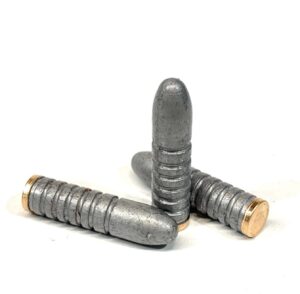
.458″ 730gr. Lucky Ram 45-70 Projectiles 20 Count
$35.77Qty: -
.458″ 777gr. Lucky Ram 45-70 Projectiles 20 Count
$37.84Qty: -
In Stock
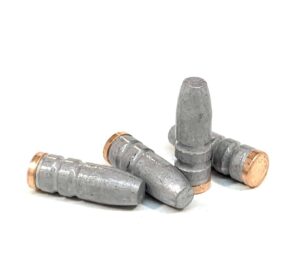
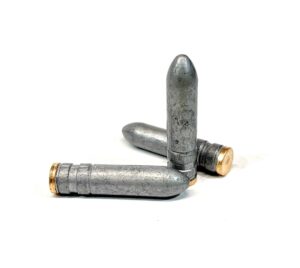
.302″ 150gr. RNFP GC (for 7.35 Carcano) 50 count
$27.60Qty: -
.268″ 150gr. Round Nose GC (for 6.5 Carcano) 50 count
$26.04Qty: -
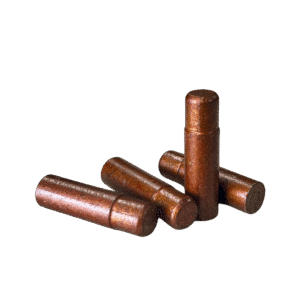
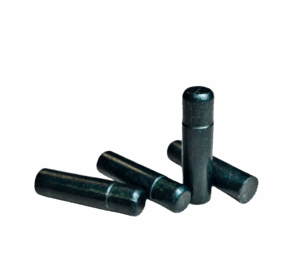
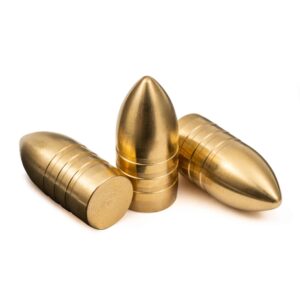
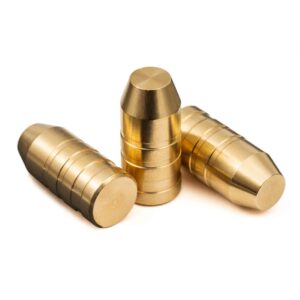
.452″ 280gr Brass Spike- 20 Count
$25.51 -
.268″ 162gr. Round Nose GC (For 6.5 Carcano) 50 count
$26.10Qty: -
In Stock
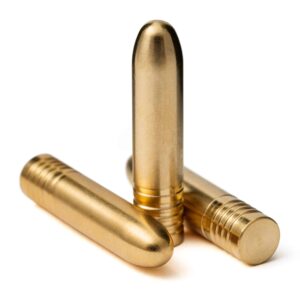
.266″ 134gr. Brass Round Nose- 20 Count (For 6.5 Carcano)
$25.28Qty: -
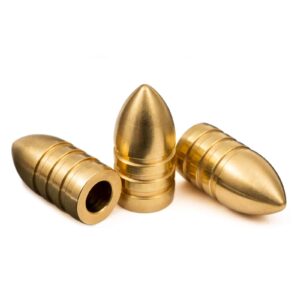
.500″ 280gr. Hollow Base Brass Spike- 20 Count
$33.43 -
.500″ 414gr. Brass Spike- 20 Count
$33.43 -
.458″ 325gr. Brass Monolithic Bullets 20
$33.43
What Are Reloading Bullets?
Reloading bullets are the projectile component seated into the cartridge case. They are the single most important factor influencing:
- Terminal performance on game or targets
- Accuracy and group size
- Recoil characteristics
- Barrel fouling and overall barrel life
Handloading allows you to control the details – bullet weight, construction, ballistic coefficient, and material so the load performs the way you intend, whether you’re hunting big game, shooting long-range steel, or building a dependable defensive round.
Choosing the Right Bullet
The right bullet turns a good load into a great one. Here’s how to decide:
- Match your caliber: Always use the correct diameter and weight for your chamber.
- Intended use: Hunting requires expansion or deep penetration; target and precision shooting benefit from high BC and consistency.
- Ballistic performance: Look at G1/G7 BC, sectional density, and expansion characteristics.
- Barrel twist & bullet length: Heavier/longer bullets need faster twists for stability.
- Recoil & practical application: Balance power with shootability for your platform.
When in doubt, call us. We’ll help you choose the right bullet for your rifle and application.
Bullets by Application
Hunting Bullets
- Solid copper hollow points, monolithic brass, and heavy hard cast for deep penetration and energy transfer on big game.
Self-Defense Bullets
- Expanding hollow points for controlled expansion and reliable terminal performance.
Target & Precision Bullets
- High-BC monolithic and round nose designs for long-range accuracy and minimal fouling.
Practice / Range Bullets
- Affordable cast and gas-checked options for high-volume shooting without breaking the bank.
Why Choose Steinel Bullets?
Because you’re not just buying projectiles, you’re buying performance you can trust.
- Premium components and consistent manufacturing.
- Designed for real-world use in vintage, modern, and custom rifles/handguns.
- Small-batch quality checks for accuracy and reliability.
- Made in Twinsburg, Ohio. American craftsmanship.
Shop Reloading Bullets Now
Still not sure which bullet is right for your load? Call us at (330) 840-7086. We’ll walk you through it.
FAQs
1. What bullet types are best for hunting?
A: Expanding hollow points, soft points, bonded, or heavy hard-cast/monolithic bullets, depending on game size and range.
2. How do I choose bullet weight for my caliber?
A: Match weight to your barrel twist, intended game, and recoil tolerance. Heavier bullets give more momentum and penetration; lighter bullets give flatter trajectory.
3. What’s the difference between FMJ and JHP bullets?
A: FMJ is for range practice (no expansion). JHP expands on impact for self-defense and hunting, better terminal performance.
4. Can I use cast lead bullets for self-defense?
A: Not recommended, cast lead lacks reliable expansion. Use jacketed hollow points or solid copper for defense.
5. How does bullet design affect accuracy?
A: Bullet design affects accuracy through its shape, weight, and manufacturing consistency. Aerodynamic, high-BC bullets can reduce drag at longer distances, while proper bullet length and weight must match the barrel’s twist rate for stable flight.